Communication skills are one of the most important skills students can develop during their school and college years. Students spend a large part of their lives learning, talking with teachers, working with classmates, giving presentations, asking questions, and sharing their ideas. All of these activities require good communication. A student may have excellent knowledge, but if they cannot explain their thoughts clearly, they may struggle in class and later in their career.
Good communication skills help students express themselves with confidence and understand other people better. These skills are not only useful for getting good grades. They can also help students build relationships, solve problems, handle difficult situations, and prepare for future jobs. Learning how to communicate clearly can make a big difference in both academic and personal life.
What Are Communication Skills?
Communication skills are the abilities people use to share information, ideas, feelings, and opinions with others. Communication is not only about speaking. It also includes listening, writing, reading, body language, and understanding the feelings of other people.
For students, communication can happen in many different ways. A student may answer a question in class, write an assignment, send an email to a teacher, take part in a group discussion, or give a presentation. Each situation requires a slightly different communication skill.
Good communication means being able to share your message in a way that other people can understand. It also means listening carefully when someone else is speaking. Students who improve these skills often become more confident and comfortable in different situations.
Communication Skills Improve Academic Performance
One of the biggest reasons communication skills matter for students is their effect on academic performance. Students who communicate well are usually better able to ask questions when they do not understand something.
Sometimes students stay quiet because they are afraid that their question might sound simple or embarrassing. However, asking questions is an important part of learning. A student who can clearly explain what they do not understand has a better chance of receiving useful help from a teacher.
Communication skills also help students participate in classroom discussions. Instead of simply listening, students can share their opinions, explain their ideas, and respond to the ideas of others. Active participation can make learning more interesting and meaningful.
Writing skills are also an important part of academic communication. Essays, reports, assignments, emails, and exams all require students to communicate through writing. Clear writing allows teachers to understand what a student knows and how well they understand a topic.
Good Communication Builds Confidence
Confidence is another important benefit of communication skills. Students who know how to express themselves clearly often feel more comfortable speaking in front of others.
For example, giving a presentation can be stressful for many students. They may worry about making mistakes or forgetting what they want to say. With regular practice, however, students can become more comfortable speaking in front of a class.
Communication practice does not mean that students need to become perfect speakers. Even small improvements can make a difference. Speaking slowly, organizing thoughts, making eye contact, and using simple words can help a student communicate with more confidence.
As confidence grows, students may become more willing to participate in class and take part in activities that they previously avoided.
Communication Helps Students Work in Groups
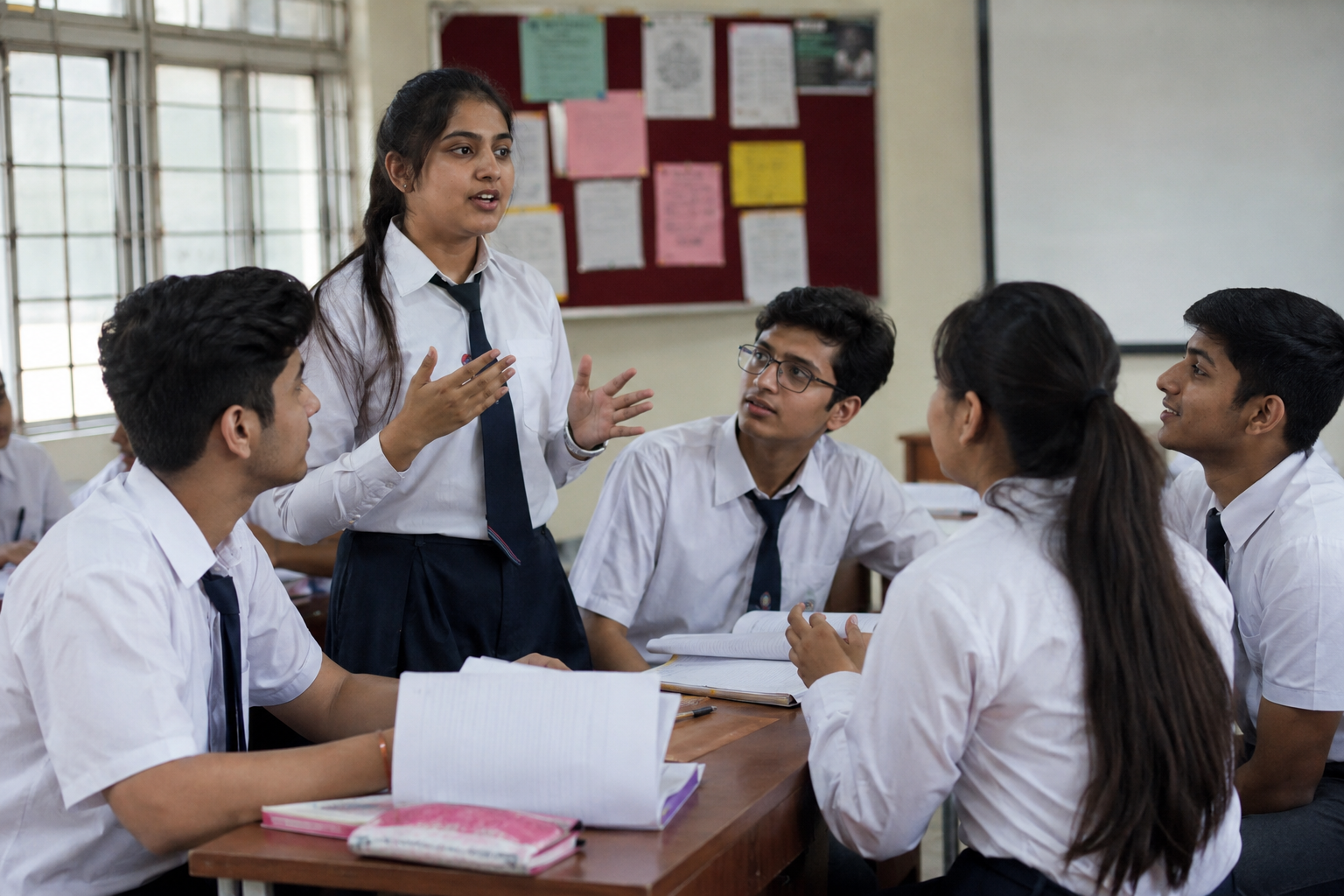
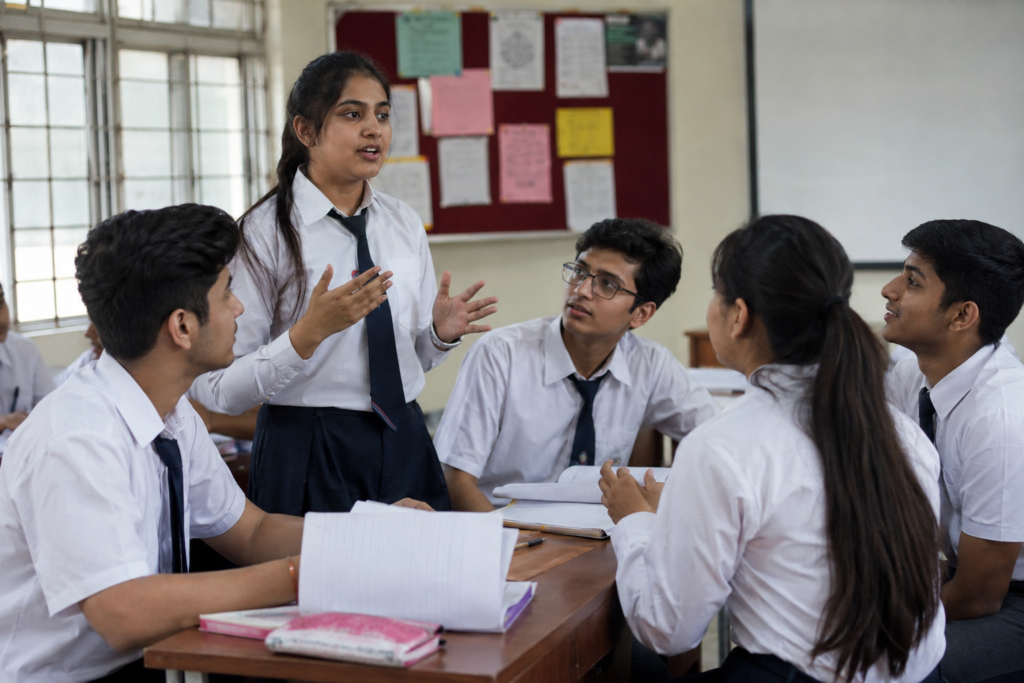
Group projects are common in schools, colleges, and universities. Students often need to work with people who have different personalities, opinions, and working styles. Good communication skills can make teamwork much easier.
When students work in a group, they need to explain their ideas and listen to the ideas of other members. They also need to divide tasks, discuss deadlines, and solve disagreements.
Poor communication can create confusion in group work. One student may think another student is responsible for a task, while the other person may think something different. Clear communication helps everyone understand their responsibilities.
Students also learn an important lesson through teamwork. They learn that having a different opinion does not always mean someone is wrong. Listening respectfully and discussing ideas can help a group find better solutions.
Listening Is an Important Communication Skill
Many people think communication is mostly about speaking, but listening is just as important. Students need strong listening skills to understand teachers, classmates, parents, and other people around them.
Good listening means paying attention instead of thinking about what you will say next. It also means trying to understand the speaker’s message before giving your own response.
Students who listen carefully may understand lessons more easily because they notice important information and instructions. Good listening can also prevent misunderstandings.
A simple way to improve listening is to put away distractions while someone is speaking. Looking at the person, paying attention to their words, and asking questions when something is unclear can make communication better.
Communication Helps Students Build Better Relationships
Students interact with many people every day. They communicate with friends, teachers, classmates, family members, and sometimes school staff. Good communication can help them develop stronger relationships with these people.
A student who knows how to communicate respectfully is more likely to create positive connections with others. Saying thank you, apologizing when necessary, asking politely, and showing interest in another person’s opinion are simple communication habits that can improve relationships.
Good communication can also help students deal with disagreements. Conflicts are normal because people do not always think in the same way. Instead of shouting or ignoring the problem, students can learn to explain how they feel and listen to the other person’s point of view.
Communication Skills Prepare Students for Future Careers
Communication skills are not only important during school. They are also highly valuable in the workplace. Almost every career requires people to communicate with others in some way.
Students may need to attend interviews, write emails, speak with customers, work with colleagues, or explain ideas to managers. A person who can communicate clearly may find it easier to handle these responsibilities.
Job interviews are a good example. Employers often want to know whether a candidate can explain their experience, answer questions, and communicate professionally. Strong communication skills can help students make a positive impression.
Even students who plan to work independently will need communication skills. They may have to communicate with clients, suppliers, customers, or other professionals.
Communication Makes Problem Solving Easier
Good communication can also improve problem solving. When students face a difficult situation, they need to understand the problem and explain it clearly before looking for a solution.
For example, if a student is struggling with an assignment, they can talk to their teacher and explain exactly where they are having trouble. The teacher can then provide more useful guidance.
Communication also allows people to share different ideas. When students discuss a problem with others, they may discover solutions they had not considered before.
This is why communication skills are closely connected with critical thinking. Students need to organize their thoughts, understand different opinions, and explain why they support a particular idea.
How Students Can Improve Communication Skills
Communication skills can be improved with regular practice. Students do not need special equipment or expensive courses to begin. They can practice during normal daily activities.
Reading regularly can improve vocabulary and help students understand how ideas are organized. Writing short paragraphs, keeping a journal, or practicing essays can improve written communication.
Students can also practice speaking by explaining a topic to a friend or family member. Reading something aloud can help improve pronunciation and speaking confidence.
Another useful habit is asking for feedback. A teacher, friend, or family member may notice areas that need improvement. Students should not see feedback as criticism. It can be an opportunity to learn.
Listening should also be practiced every day. Instead of interrupting people, students can allow them to finish speaking before responding. This simple habit can make conversations much better.
Avoiding Common Communication Problems
Students can face several common communication problems. Speaking too quickly, using unclear words, interrupting others, and avoiding eye contact can make communication difficult.
Another common problem is assuming that other people understand what you mean without explaining it. Clear communication often requires giving enough information and choosing simple words.
Students should also be careful when communicating online. Messages and emails can sometimes be misunderstood because people cannot hear your voice or see your facial expression. Using polite and clear language is important when communicating through technology.
It is also helpful to think before sending an important message. A few extra seconds can prevent unnecessary misunderstandings.
Final Thoughts
Communication skills matter for students because they affect almost every part of student life. They help students perform better academically, become more confident, work effectively with others, build stronger relationships, and prepare for future careers.
The good news is that communication skills can be learned and improved. Students do not need to be naturally confident speakers. They can start with small steps such as asking questions, listening carefully, practicing writing, joining discussions, and speaking with others regularly.
Good communication is not about using complicated words or trying to impress people. It is about expressing your ideas clearly, listening to others, and treating people with respect. When students develop these habits early, they gain a skill that can continue helping them throughout education, work, and everyday life.
For students who want to become more successful, improving communication skills is a simple but powerful place to start.