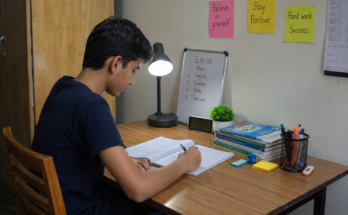

Learning becomes much easier when students feel interested in what they are studying. A classroom should not only be a place where teachers explain lessons and students write notes. It should be a place where students can ask questions, share ideas, solve problems, and enjoy the learning process. Teachers play an important role in creating this type of classroom environment. By using simple and practical teaching methods, teachers can make learning more engaging and help students understand lessons better.
Why Engaging Learning Is Important
Engaging learning helps students pay attention and take an active part in the classroom. When students are interested in a lesson, they are more likely to remember the information and understand the topic. They may also feel more confident about asking questions and sharing their opinions.
Many students lose interest when every lesson follows the same pattern. Listening to a teacher for a long time and copying information from a board can become boring. This does not mean that students do not want to learn. Sometimes they simply need a different way to connect with the lesson. Teachers can make learning more engaging by adding activities, discussions, examples, technology, and real life situations.
Understand What Students Like
One of the best ways teachers can make learning more engaging is by understanding their students. Every classroom has students with different interests, personalities, and learning preferences. Some students enjoy reading, while others learn better through activities or visual examples.
Teachers can learn about students by asking simple questions and observing how they respond to different lessons. For example, a teacher can ask students about their hobbies, favorite subjects, future goals, or things they enjoy doing outside school. This information can help teachers connect lessons with topics that students already understand or enjoy.
When students see something familiar in a lesson, they often become more interested. Even a difficult topic can become easier when it is connected to something students already know.
Use Real Life Examples
Real life examples can make classroom learning much more meaningful. Students often ask themselves why they need to learn a particular topic. Teachers can answer this question by showing how the topic is connected to everyday life.
For example, a mathematics teacher can explain percentages through shopping discounts or household budgets. A science teacher can discuss health, weather, plants, or the environment. An English teacher can use social media posts, stories, advertisements, or everyday conversations to explain language skills.
When students understand how knowledge can be used outside the classroom, they are more likely to become interested in learning. Real life examples also help students remember information for a longer time.
Encourage Classroom Discussions
Classroom discussions are another effective way to make learning more engaging. Instead of doing all the talking, teachers can give students opportunities to express their ideas. A teacher can ask open questions and allow students to explain their answers.
For example, after reading a story, the teacher can ask students what they think about the main character or what they would do in the same situation. There may be different answers, and that is completely fine. The purpose is to encourage students to think and communicate.
Discussions also help students develop communication skills and confidence. Students who are usually quiet may slowly become more comfortable when teachers create a friendly environment where everyone feels respected.
Add More Classroom Activities
Classroom activities can turn a normal lesson into an enjoyable learning experience. Teachers do not need expensive materials or complicated games. Simple activities can make a big difference.
Teachers can use quizzes, group tasks, role playing, puzzles, short competitions, drawing activities, and problem solving exercises. Students can also work in pairs to discuss questions before sharing their answers with the whole class.
Activities give students a chance to participate instead of simply listening. They can also help students learn from each other. Group activities are especially useful because students can share different ideas and approaches to a problem.

Use Technology in a Smart Way
Technology can also help teachers create engaging lessons. Students are already familiar with phones, computers, videos, and online platforms. Teachers can use suitable technology to make lessons more interesting and interactive.
For example, a teacher can show a short educational video before explaining a topic. Online quizzes can be used to check student understanding. Presentations, digital images, educational websites, and interactive activities can also support classroom learning.
However, technology should be used for a clear purpose. Using technology simply because it looks interesting may not improve learning. Teachers should choose tools that help students understand the lesson, practice skills, or participate more actively.
Tell Stories During Lessons
Stories are a powerful way to make learning more engaging. People naturally enjoy stories because they create emotions and help us connect with information. Teachers can use short stories to introduce new topics or explain difficult ideas.
A history teacher can tell the story of a person who lived during an important historical event. A science teacher can explain a scientific discovery through the story of the person who made it. Even subjects such as mathematics can include simple stories about how numbers and calculations are used in real life.
A good story can make a lesson easier to remember. Students may forget a list of facts, but they are often more likely to remember information when it is connected to an interesting story.
Give Students Some Choice
Students become more involved when they have some control over their learning. Teachers can give students choices whenever possible. For example, students can choose a topic for a project, select a book to read, or decide how they want to present their work.
One student may prefer to create a presentation, while another may enjoy writing a report. Giving students reasonable choices can make them feel responsible for their learning.
This does not mean students should control the entire lesson. Teachers still need to provide structure and guidance. The goal is simply to give students opportunities to make small decisions about their work.
Make Lessons Interactive
Interactive teaching is one of the most effective ways to increase student engagement. Instead of explaining everything from beginning to end, teachers can regularly involve students in the lesson.
Teachers can ask questions throughout the lesson, use quick quizzes, invite students to solve problems on the board, or ask them to explain an idea to a partner. Even a simple question such as “What do you think will happen next?” can encourage students to think actively.
Interactive lessons also help teachers understand whether students are following the topic. If many students struggle with a question, the teacher can explain the concept again using a different example.
Create a Positive Classroom Environment
Students learn better when they feel safe and respected. A positive classroom environment can make a major difference in student engagement. Teachers should encourage students to ask questions without feeling embarrassed.
Mistakes should be treated as a normal part of learning. If students are afraid of giving a wrong answer, they may stop participating. Teachers can remind students that mistakes provide an opportunity to learn.
Simple actions such as listening carefully, appreciating effort, and treating students fairly can build trust. When students trust their teacher, they are more likely to participate in classroom activities.
Use Humor When Appropriate
A little humor can make lessons more enjoyable. Teachers can use simple jokes, funny examples, or light classroom moments to keep students relaxed. Humor can also help students feel more comfortable.
Of course, humor should always be respectful and suitable for the age of the students. It should never embarrass or insult a student. The goal is to create a friendly atmosphere where students enjoy being part of the classroom.
Connect Lessons With Student Goals
Students often become more motivated when they understand how education can help them in the future. Teachers can explain how different subjects and skills can be useful in careers and everyday life.
For example, communication skills are useful in almost every profession. Mathematics can help with money management and many careers. Writing skills are important for emails, applications, reports, and professional communication.
Showing students the purpose behind a lesson can give them a stronger reason to learn. It helps them understand that education is not only about passing exams but also about preparing for life.
Give Helpful Feedback
Feedback is another important part of engaging learning. Students need to know what they are doing well and where they can improve. Feedback should be clear and helpful rather than simply saying that an answer is wrong.
Teachers can explain what the student did correctly and then suggest a simple way to improve. Positive feedback can also motivate students to keep trying.
Students should understand that improvement takes time. When teachers recognize effort and progress, students may become more confident and willing to continue learning.
Keep Improving Teaching Methods
Teachers should also be willing to learn and improve their own teaching methods. A strategy that works well for one class may not work as well for another. Teachers can try different activities and observe which methods help students participate more.
It is also useful to ask students for feedback. Simple questions such as what they enjoyed about a lesson or what they found difficult can provide useful information.
Teaching is not about finding one perfect method. It is about understanding students and choosing methods that help them learn effectively.
Conclusion
Making learning more engaging does not always require expensive technology, complicated activities, or major changes. Small improvements in teaching can have a strong impact on students. Teachers can use real life examples, classroom discussions, activities, stories, technology, group work, and positive feedback to make lessons more interesting.
The most important thing is to remember that students are not just listeners. They are active learners who need opportunities to think, ask questions, practice, and share ideas. When teachers create a supportive and interactive classroom, students can become more interested in their education.
Engaging learning can improve understanding, confidence, participation, and motivation. By using simple teaching strategies and paying attention to what students need, teachers can create classrooms where learning feels meaningful and enjoyable. A teacher who makes students curious and excited about learning can have a lasting positive influence on their education and future.