Artificial intelligence is changing many parts of our daily lives, and education is one of the areas where its impact can be seen clearly. From helping students understand difficult topics to supporting teachers with everyday tasks, artificial intelligence in education is creating new ways to learn and teach. Schools, colleges, universities, and online learning platforms are using AI tools to make education more flexible, personal, and useful.
The use of artificial intelligence in education is still growing. Students can now use AI powered tools to find information, practice skills, improve their writing, and get help with subjects they find difficult. Teachers can also use technology to prepare lessons, check student work, and understand where students may need more support. While AI cannot replace good teachers or real human interaction, it can become a helpful part of the learning process when used correctly.
What Is Artificial Intelligence in Education?
Artificial intelligence in education means using computer systems and smart software to support teaching and learning. These systems can process information, recognize patterns, answer questions, and provide suggestions based on the information they receive.
For example, an AI learning tool can notice that a student is having trouble with mathematics and provide extra practice questions. Another tool can help a student understand a difficult reading passage by explaining it in simpler words. Teachers can also use AI to create lesson ideas, organize information, and save time on repetitive work.
The main purpose of AI in education should not be to remove teachers from classrooms. Instead, it should help teachers and students work more effectively.
Personalized Learning for Students
One of the biggest ways artificial intelligence is changing education is through personalized learning. Every student learns differently. Some students understand a topic quickly, while others need more examples and practice. In a traditional classroom, it can be difficult for one teacher to give every student the exact support they need.
AI tools can make learning more personalized. They can look at a student’s answers and learning progress and suggest activities based on their needs. A student who is already comfortable with a topic can move forward, while a student who needs more help can spend extra time practicing.
This can make education more comfortable for students because they do not always have to follow exactly the same learning speed as everyone else.
AI Helps Students Understand Difficult Topics
Students often struggle with subjects such as mathematics, science, programming, and languages. When a teacher is not available, getting immediate help can be difficult. AI learning tools can provide explanations whenever students need them.
For example, a student may ask an AI tool to explain a science concept in simple language. The student can then ask another question if the first explanation is not clear. This type of interaction can help students learn step by step.
AI can also provide examples, practice questions, summaries, and explanations. However, students should not simply copy AI generated answers. The real benefit comes when students use AI to understand a topic and then complete their own work.
Better Support for Teachers
Artificial intelligence is not only useful for students. Teachers can also benefit from AI technology. Teachers spend a large amount of time preparing lessons, creating activities, checking assignments, and organizing classroom information.
AI tools can help reduce some of this workload. A teacher can use AI to create a basic lesson plan, generate practice questions, or organize ideas for a classroom activity. The teacher can then review the material and change it according to the needs of the students.
This can give teachers more time to focus on important human responsibilities such as talking with students, providing personal guidance, encouraging confidence, and creating a positive classroom environment.
AI Can Improve Online Education
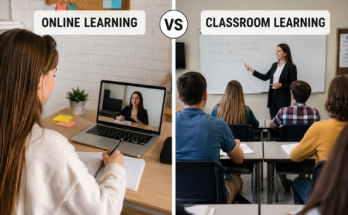
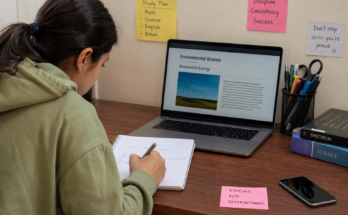
Online education has grown quickly, and artificial intelligence is making online learning even more useful. Students who study through online courses can use AI tools for explanations, practice, feedback, and organization.
An online learning platform can recommend lessons based on a student’s previous activity. It may suggest that a student review a particular topic before moving to the next lesson. AI can also help create interactive learning experiences that keep students involved.
For students who live far from schools or universities, these tools can make education more accessible. They can study at a convenient time and receive additional support without always needing to attend a physical classroom.
AI and Language Learning
Language learning is another area where artificial intelligence is making a difference. Students can use AI tools to practice vocabulary, grammar, pronunciation, reading, and writing.
For example, a student learning English can ask an AI tool to explain a grammar mistake. The tool can provide an example and show how the sentence could be improved. Students can also practice conversations and receive feedback on their writing.
This can be especially useful for students who do not have someone available to practice with regularly. Still, real conversations with teachers and other people remain important because language is not only about grammar. It is also about communication, culture, confidence, and understanding people.
Faster Feedback and Assessment
Feedback is an important part of learning. Students need to know what they did correctly and where they need improvement. Traditional grading can take teachers a lot of time, especially when they have many students.
AI can help with certain types of assessment and provide quick feedback. For example, an AI system can check answers to objective questions and identify areas where a student is making repeated mistakes.
Fast feedback can help students correct mistakes sooner. However, AI based assessment should always be reviewed carefully. Human teachers are still important when evaluating creativity, reasoning, personal expression, and complex assignments.
AI Can Help Students Become Better Learners
Artificial intelligence can also help students develop better study habits. Students often struggle with time management, organization, and staying focused. AI tools can help create study schedules, organize tasks, and break large projects into smaller steps.
For example, instead of looking at a large assignment and feeling confused, a student can use an AI tool to create a simple list of tasks. The student can then work through each task one by one.
This does not mean students should depend completely on AI. The goal should be to use technology as a learning assistant while developing independent thinking and responsibility.
The Importance of Critical Thinking
Although artificial intelligence offers many benefits, students need to understand that AI is not always correct. AI systems can sometimes provide incorrect information, incomplete explanations, or outdated details.
This makes critical thinking more important than ever. Students should learn how to check information, compare different sources, and decide whether an answer makes sense.
Education should not teach students to accept every AI answer without thinking. Instead, students should learn how to ask better questions, verify information, and use technology responsibly.
Privacy and Responsible Use of AI
Another important issue is privacy. Students and schools may use AI tools that collect information about users. It is important to understand what information is being collected and how it is being used.
Schools should have clear rules for the responsible use of artificial intelligence. Students should also understand that they should not share private or sensitive information with AI tools without knowing how that information may be handled.
Responsible AI use also means avoiding cheating. Using AI to understand a lesson or improve study habits can be helpful. Submitting AI generated work as your own without learning the material can hurt a student’s education in the long term.
Will AI Replace Teachers?
Many people wonder whether artificial intelligence will replace teachers in the future. It is unlikely that AI can replace everything a good teacher does.
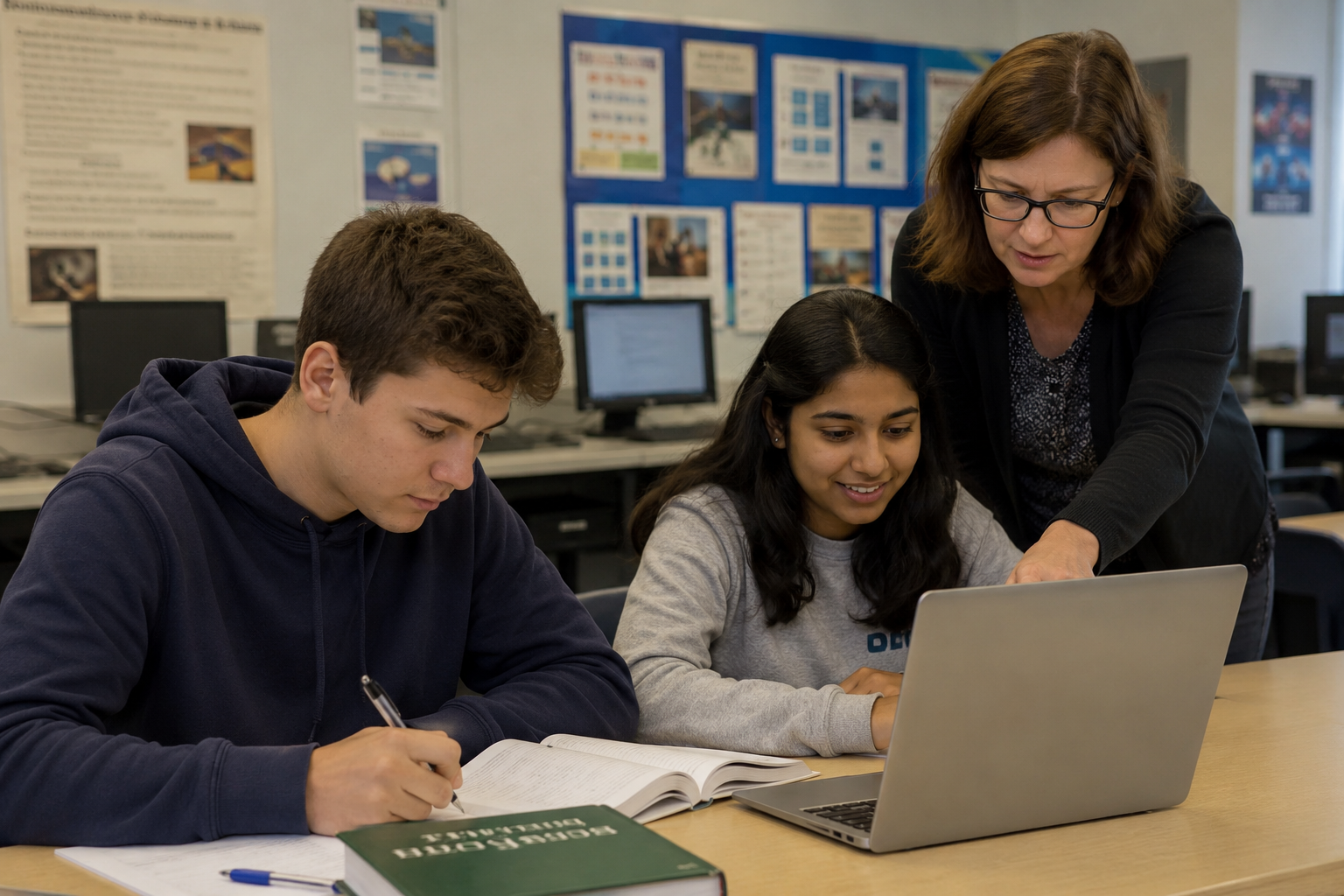
Teaching is not only about giving information. Teachers understand students, encourage them when they feel frustrated, manage classrooms, build relationships, and provide emotional and personal support. These human qualities are difficult to replace with technology.
AI is better viewed as a tool that can support teachers. A teacher who uses AI effectively may have more time to focus on students because technology can handle some repetitive tasks.
The Future of Artificial Intelligence in Education
The future of AI in education will likely include more personalized learning systems, smarter educational platforms, virtual learning assistants, and improved tools for teachers. As the technology develops, schools may find new ways to use AI in classrooms and online education.
However, the success of artificial intelligence in education will depend on how responsibly it is used. Technology alone cannot solve every problem in education. Students still need good teachers, useful learning materials, practical experience, and opportunities to communicate with others.
The best approach is to combine technology with human teaching. AI can provide information and support, while teachers can provide understanding, motivation, creativity, and guidance.
Conclusion
Artificial intelligence is changing education by making learning more personalized, accessible, and interactive. Students can use AI to understand difficult subjects, practice skills, improve their study habits, and receive quick support. Teachers can use artificial intelligence to save time, prepare learning materials, and provide better support to students.
At the same time, AI brings challenges related to accuracy, privacy, cheating, and overdependence on technology. Students need to learn how to use AI responsibly and continue developing their own thinking skills.
Artificial intelligence should not be seen as a replacement for education or teachers. It should be seen as a useful tool that can improve the learning experience when used properly. The future of education will likely bring humans and technology closer together, creating learning environments that are more flexible and better suited to the needs of individual students.