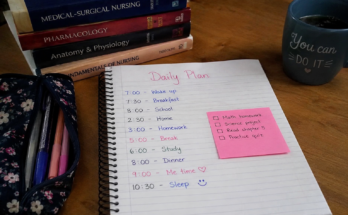

Building confidence in the classroom is important for every student. Some students feel comfortable answering questions, speaking in front of others, and sharing their ideas. Other students may feel nervous, shy, or worried about making mistakes. If you are one of those students, you are not alone. Classroom confidence is not something that everyone is born with. It is a skill that can be developed slowly with practice and patience.
When students have confidence in the classroom, they are more likely to participate, ask questions, communicate with teachers, and enjoy learning. Confidence can also help students perform better in school because they become more willing to try new things. The good news is that you do not need to become a completely different person to feel confident. Small changes in your daily habits can make a big difference.
What Does Classroom Confidence Mean?
Classroom confidence means feeling comfortable enough to participate in learning without being controlled by fear or embarrassment. A confident student does not necessarily know every answer. Instead, a confident student understands that making mistakes is a normal part of learning.
You can have classroom confidence even if you are naturally quiet. You do not have to speak all the time or become the loudest person in the room. Confidence can simply mean raising your hand when you know something, asking for help when you do not understand, or sharing your opinion during a class discussion.
The main goal is to become comfortable with being yourself while taking part in the learning process.
Start With Small Steps
One of the best ways to build confidence in the classroom is to start with small steps. Trying to become confident overnight can create more pressure and make you feel nervous.
For example, if you rarely speak during class, do not force yourself to give a long presentation immediately. Start by answering one simple question. After you become comfortable with that, try asking a question during the lesson. Later, you can take part in group discussions or presentations.
Every small step gives you a chance to experience success. These small successes slowly build your confidence. You may not notice a big change at first, but after several weeks you may realize that speaking in class does not feel as scary as it used to.
Prepare Before Class
Preparation is one of the easiest ways to improve confidence in the classroom. When you understand the topic before entering the classroom, you are more likely to feel comfortable participating.
You do not need to study for hours before every class. Spend a few minutes reviewing your notes from the previous lesson. Read the next topic if you have access to the material. Write down anything that you do not understand.
Being prepared gives your mind a feeling of control. Instead of thinking, “What if the teacher asks me something I do not know?” you can think, “I have reviewed this topic and I can try.”
Good preparation can also reduce classroom anxiety because you know what to expect.
Stop Being Afraid of Mistakes
Many students lack confidence because they are afraid of making mistakes in front of their classmates. They may think everyone will laugh at them or remember their mistake forever.
In reality, most students are focused on themselves. They are usually thinking about their own answers, assignments, tests, or problems. A small mistake made during class is rarely as important as it feels at that moment.
Remember that mistakes are part of education. If you give a wrong answer, you have an opportunity to learn the correct answer. If you make a mistake during a presentation, you can use that experience to improve the next one.
Instead of thinking, “I cannot make a mistake,” try thinking, “I am allowed to learn.”
This simple change in thinking can help you develop stronger classroom confidence.
Speak Up During Class
Speaking during class is one of the most effective ways to build confidence. If you are nervous, begin with simple comments or questions.
You can answer a question when you know the answer. You can ask your teacher to explain something again. You can also share a short idea during a discussion.
At first, your heart may beat faster and you may feel uncomfortable. That is normal. The more you practice, the easier it becomes.
Try to speak clearly and slowly. You do not need to use complicated words. Your goal is to communicate your idea, not to impress everyone.
Over time, speaking in class will become a normal part of your learning routine.
Improve Your Body Language
Your body language can affect how you feel as well as how others see you. Sitting with your head down and avoiding eye contact can make you feel less confident.
Try sitting upright and keeping your attention on the teacher. When you speak, look toward the teacher or the person you are talking to. Keep your shoulders relaxed and take a normal breath before answering.
You do not need to act overly confident. Simple changes in posture can help you feel more comfortable.
Good body language can also make communication easier because teachers are more likely to notice students who look engaged and interested.
Practice Speaking at Home
If speaking in the classroom makes you nervous, practice at home. You can explain a lesson to yourself, speak in front of a mirror, or practice with a family member or friend.
For presentations, practice several times before the actual day. You can record yourself speaking and listen to the recording. This can help you notice if you are speaking too quickly or quietly.
Practicing does not mean memorizing every single word. Try to understand your main points instead. This makes your speech sound more natural and helps you continue even if you forget one sentence.
The more familiar you become with your own voice, the more comfortable you may feel speaking in front of others.
Ask Questions Without Feeling Embarrassed
Asking questions is a sign that you want to understand something better. It does not mean that you are less intelligent than other students.
Many students stay quiet because they are afraid their question sounds simple. However, a question that seems simple to you may be something other students are also wondering about.
If you do not understand a topic, ask your teacher for help. You can say, “Could you explain this part again?” or “Can you give another example?”
Teachers usually appreciate students who want to understand their lessons. Asking questions can also help you remember information because you are actively involved in the learning process.

Focus on Improvement Instead of Comparison
Comparing yourself with other students can quickly damage your confidence. You may see someone who speaks perfectly, gets excellent grades, or gives great presentations and think you are not good enough.
Everyone has different strengths. One student may be good at speaking while another may be better at writing, mathematics, creativity, or problem solving.
Instead of asking, “Am I better than this student?” ask, “Am I better than I was before?”
This change in focus can make a big difference. Your goal should be personal improvement. If you answered one question this week after being too nervous last week, that is progress.
Build Positive Self Talk
The way you talk to yourself has a strong effect on your confidence. If you constantly tell yourself that you are bad at speaking or that you will fail, you may start believing it.
Try replacing negative thoughts with realistic and positive statements.
Instead of saying, “I cannot speak in front of the class,” say, “Speaking makes me nervous, but I can practice.”
Instead of saying, “I always give wrong answers,” say, “I am learning and I can improve.”
Positive self talk does not mean pretending everything is perfect. It means giving yourself the same encouragement that you would give to a friend.
Participate in Group Activities
Group activities can be a good way to develop classroom confidence because they are usually less stressful than speaking in front of the entire class.
Start by sharing your ideas with one or two classmates. Listen to what others say and then add your own thoughts.
As you become more comfortable, take a small role in group projects. You might organize information, explain one part of the project, or help present the final work.
Group activities teach you how to communicate, cooperate, and express your ideas. These skills can also help you in college, work, and everyday life.
Celebrate Small Achievements
Building confidence takes time, so remember to recognize your progress. Do not wait until you become completely confident before feeling proud of yourself.
Maybe you asked your teacher a question today. Maybe you answered something even though you were nervous. Maybe you completed a presentation without giving up.
These are all achievements.
You can keep a small list of things you did well each week. Looking back at this list can remind you that you are improving.
Confidence grows when you notice your own progress.
Do Not Expect Perfection
One of the biggest barriers to classroom confidence is the desire to be perfect. Students sometimes believe they need to give perfect answers, use perfect words, or perform perfectly during presentations.
This creates unnecessary pressure.
Learning is not about being perfect. It is about understanding, practicing, making mistakes, and improving.
Give yourself permission to be a beginner. You do not need to know everything before you participate. You simply need the courage to try.
Talk to Your Teacher
If you feel extremely nervous in the classroom, consider talking privately with your teacher. You can explain that you want to participate more but sometimes feel nervous.
A supportive teacher may be able to help you in simple ways. They might give you time to prepare before answering a question or allow you to start with smaller speaking tasks.
Teachers are there to help students learn. You do not have to handle every challenge alone.
Final Thoughts
Learning how to build confidence in the classroom takes patience, practice, and a willingness to make mistakes. You do not have to become the most talkative student in your class. Real confidence means being comfortable enough to participate, ask questions, share ideas, and keep learning even when you are unsure.
Start with small steps. Prepare before class, speak up when you can, practice at home, improve your body language, and stop being afraid of mistakes. Most importantly, avoid comparing your progress with other students.
Every time you participate despite feeling nervous, you become a little stronger. With regular practice, classroom confidence can become a natural part of your student life. The goal is not to remove every nervous feeling. The goal is to learn that you can handle those feelings and still take part.
Your confidence will grow one small step at a time. Believe in your ability to improve, give yourself time, and keep trying. You may be surprised by how much you can achieve when you stop waiting to feel confident and start practicing confidence every day.