
Balancing school, homework and personal life can be difficult, especially when you have many things to do every day. Students often feel stressed because they have classes to attend, assignments to complete, exams to prepare for, and still want enough time for family, friends, hobbies and rest. When everything feels important, it becomes easy to feel tired and confused about where to start.
The good news is that you do not need to give up your personal life to become a successful student. You also do not need to study all day to get good grades. Learning how to manage your time, set priorities and create a simple routine can help you balance school and personal life in a healthier way.
Why Is It Difficult to Balance School and Personal Life?
One of the biggest reasons students struggle with balance is poor time management. When homework is left until the last minute, it can take away time that could have been used for relaxing or spending time with family. The same thing can happen when students spend too much time on social media, video games or other distractions.
Another reason is that students sometimes try to do everything at once. They may have several assignments, upcoming tests and personal responsibilities. Instead of making a plan, they keep thinking about everything they need to do. This can create stress and make even simple tasks feel difficult.
A balanced student life does not mean giving every activity the same amount of time. It means giving enough attention to the things that matter while also taking care of yourself.
Create a Simple Daily Schedule
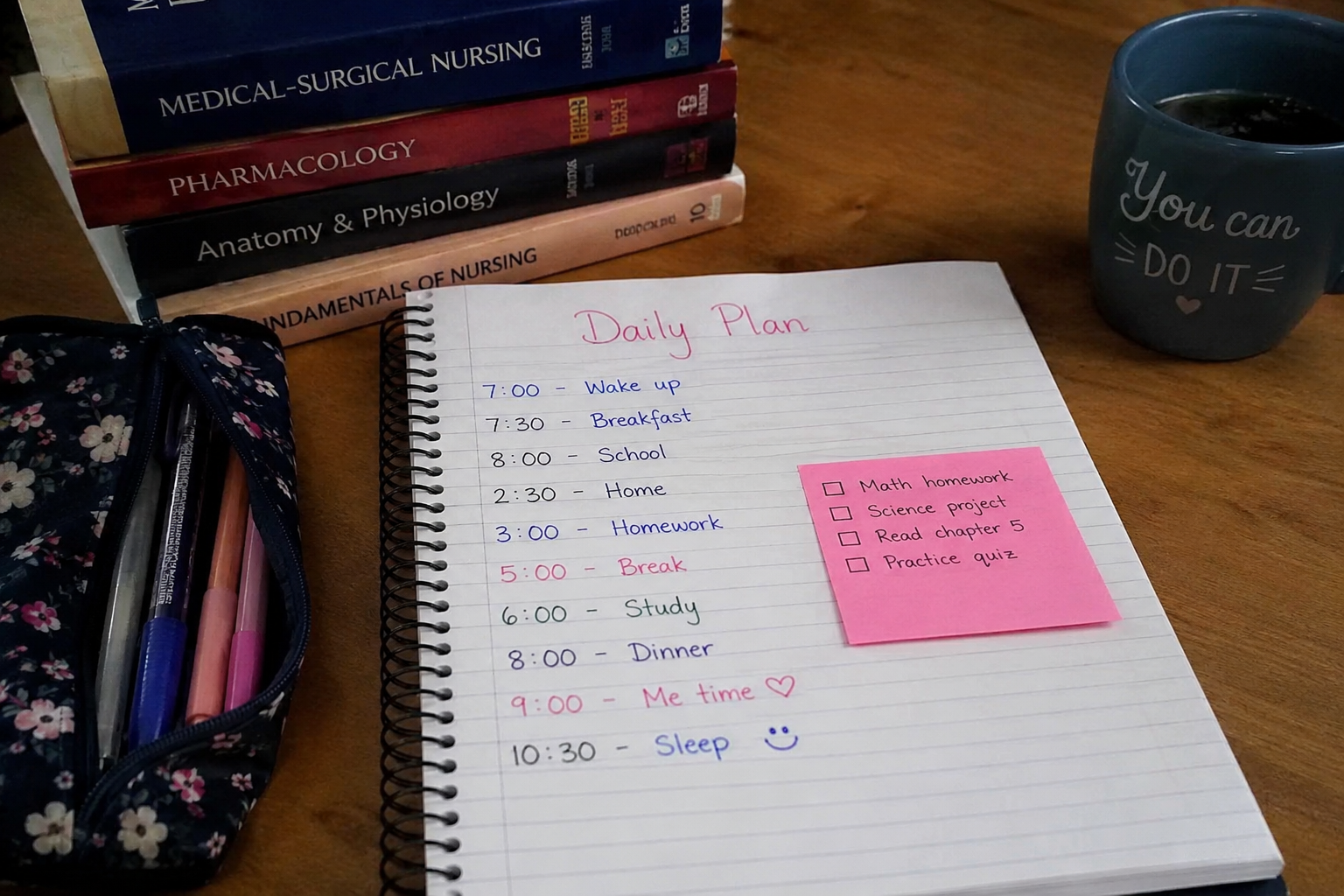
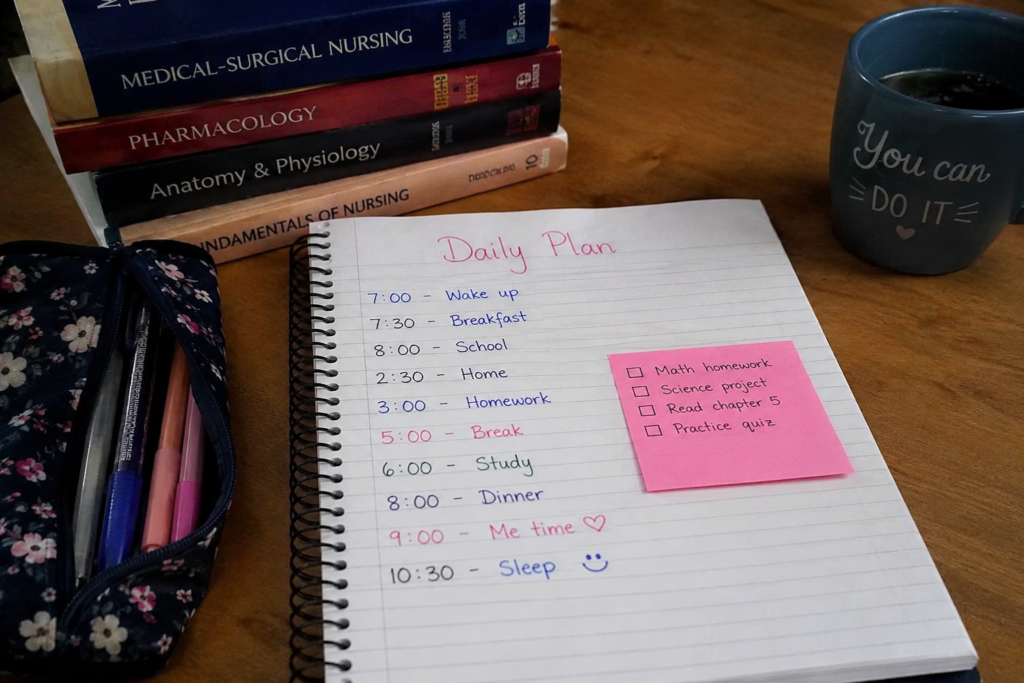
A daily schedule is one of the easiest ways to balance school, homework and personal life. You do not need a complicated planner. A simple list of important activities can be enough.
Start by writing down your school hours. Then add the time you normally need for homework, meals, sleep and other responsibilities. After that, look for free periods where you can relax, exercise, spend time with friends or enjoy a hobby.
For example, you might come home from school and take a short break before starting your homework. You can then study for one or two focused hours, take another break, have dinner and spend some time doing something you enjoy.
Having a schedule gives your day some structure. It also helps you avoid wasting time because you already know what you should be doing.
Learn to Prioritize Your Homework
Not every homework task has the same level of importance. Some assignments may be due tomorrow, while others may not be due for several days. Learning how to prioritize homework can make your workload feel much easier.
Start with assignments that have the closest deadlines. You should also consider how long each task will take. A short assignment can sometimes be completed quickly, while a large project may need to be divided into smaller steps.
You can make a simple homework list every afternoon. Write down everything you need to complete and mark the most important tasks. Focus on one task at a time instead of trying to complete everything together.
When you finish an important task, cross it off your list. Seeing your progress can give you motivation and make your workload feel more manageable.
Avoid Procrastination
Procrastination is one of the biggest problems when it comes to balancing school and personal life. When students keep delaying homework, they often end up doing it late at night. This can reduce sleep and leave less time for family, friends and relaxation.
One useful way to avoid procrastination is to start with a small amount of work. Instead of telling yourself that you need to finish a large assignment immediately, tell yourself that you will work on it for fifteen or twenty minutes.
Once you begin, continuing is often easier than you expected. You can also divide large assignments into smaller tasks. For example, if you have to write an essay, spend one session researching, another session creating an outline and another session writing the first draft.
Starting early gives you more control over your time and reduces last minute stress.
Take Breaks While Studying
Studying for hours without a break does not always lead to better results. Your brain needs time to rest, especially when you are working on difficult subjects.
Try studying for a focused period and then taking a short break. During your break, stand up, drink water, walk around or simply relax for a few minutes.
Breaks can help you return to your homework with more energy and concentration. However, be careful with activities that can easily become distractions. Checking social media for a few minutes can sometimes turn into an hour.
The goal is not to avoid breaks. The goal is to use them wisely.
Make Time for Your Personal Life
Personal life is an important part of being a healthy and successful student. School is important, but students also need time to enjoy life.
Make time for your family, friends, hobbies and activities that make you happy. You might enjoy reading, playing sports, listening to music, drawing, cooking or simply talking with friends.
You do not need several hours every day for these activities. Even thirty minutes of meaningful personal time can help you feel refreshed.
When you completely ignore your personal life because of school, you may eventually feel tired and frustrated. A healthy balance allows you to study seriously while still enjoying other parts of life.
Get Enough Sleep
Sleep is often the first thing students sacrifice when they have too much homework. Staying awake late at night may seem like a good way to get more work done, but lack of sleep can make it harder to concentrate and remember information the next day.
Try to create a regular sleep schedule. Going to bed at a similar time each night can help your body develop a healthy routine.
If you have a large amount of homework, avoid waiting until late at night to begin. Starting earlier gives you more time to finish your work without sacrificing your sleep.
Getting enough rest can improve your focus, energy and mood. Good time management should always include enough time for sleep.
Learn to Say No Sometimes
Students sometimes accept too many responsibilities because they do not want to disappoint other people. They may join too many activities, take on extra work or agree to help friends even when they already have a busy schedule.
Learning to say no when necessary is an important part of time management. This does not mean you should avoid helping others. It means you should understand your own limits.
Before agreeing to something new, think about how much time it will require. Ask yourself if you can realistically fit it into your schedule without creating unnecessary stress.
Protecting your time can help you focus on your most important responsibilities.
Keep Your Study Area Organized
A messy study area can make homework take longer than necessary. When books, papers and school supplies are difficult to find, you waste valuable time looking for them.
Try to keep your study space clean and organized. Keep the books and materials you need nearby. Put your phone away if it is distracting you.
A quiet and organized study environment can make it easier to focus. You may also feel more motivated when your workspace is ready before you begin studying.
Use Your Free Time Wisely
Small amounts of free time can become useful when you use them properly. For example, you can review notes while waiting for a class, read a few pages of a book during a break or organize your homework list before going home.
You do not have to use every free minute for studying. Free time should also include relaxation. The important thing is to become aware of how you spend your time.
If you notice that you spend a large part of your day scrolling through social media without realizing it, try setting limits. Reducing unnecessary screen time can give you more time for homework and personal activities.
Do Not Try to Be Perfect
Many students put too much pressure on themselves because they want perfect grades, perfect routines and perfect results. This can create unnecessary stress.
It is important to remember that balance does not mean having a perfect schedule every day. Some days will be more stressful than others. You may have an exam, an important project or a family responsibility that changes your normal routine.
Instead of feeling guilty when your schedule does not go perfectly, adjust your plan and continue. The goal is to build habits that work most of the time.
Progress is more important than perfection.
Ask for Help When You Need It
You do not have to handle every problem alone. If you are struggling with schoolwork, talk to a teacher, parent, classmate or another person you trust.
Sometimes a simple explanation can make a difficult subject easier. You can also ask for help when you feel overwhelmed by your workload.
Asking for help is not a sign of weakness. It is a smart way to solve problems before they become bigger.
Find a Routine That Works for You
Every student is different. A schedule that works for one person may not work for another. Some students concentrate better in the morning, while others prefer studying in the afternoon or evening.
Experiment with different routines and see what helps you stay focused. Pay attention to when you have the most energy and when you become tired.
Once you find a routine that feels comfortable, try to follow it consistently. A simple routine can reduce the amount of time you spend deciding what to do next.
Final Thoughts
Learning how to balance school, homework and personal life is an important skill that can help you both in school and in the future. You do not need to study every free moment to become a successful student. Instead, focus on managing your time wisely and creating a routine that gives attention to your responsibilities and your personal needs.
Start by creating a simple daily schedule. Prioritize your homework, avoid procrastination, take regular breaks and get enough sleep. At the same time, make space for family, friends, hobbies and activities that make you feel happy.
Remember that a successful student is not someone who is busy all the time. A successful student knows how to use time wisely, stay organized and take care of their own well being.
When you learn to balance school and personal life, you can become more productive without constantly feeling stressed. Small changes in your daily routine can make a big difference. Start with one habit today and slowly build a routine that helps you study well while still enjoying your life.