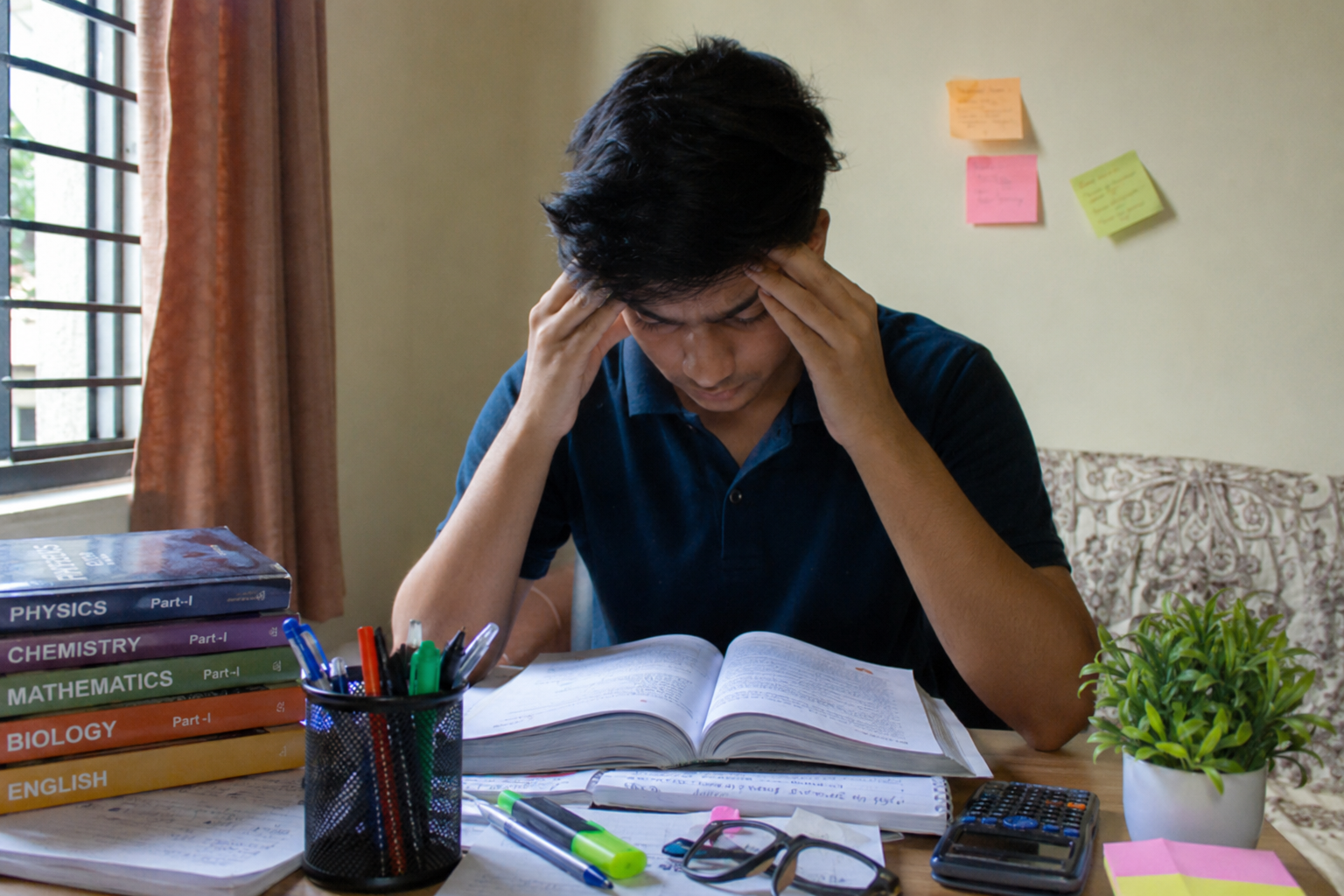
Exam stress is something almost every student experiences at some point. When exams are coming closer, it is normal to feel worried, nervous, or under pressure. You may think about your grades all day, struggle to sleep, or feel like there is too much to study and not enough time. A little stress can sometimes help you stay focused, but too much exam stress can make studying harder.
Learning how to deal with exam stress is important because your mental peace can affect your concentration, memory, sleep, and overall performance. The good news is that you do not need to completely remove stress from your life. You simply need to learn how to manage it in a healthy way.
What Causes Exam Stress?
Before learning how to manage exam stress, it helps to understand where it comes from. Students can feel stressed for many different reasons. Some students are afraid of getting low grades. Others worry about disappointing their parents, teachers, or themselves.
A large amount of homework, difficult subjects, poor time management, and studying at the last minute can also increase exam stress. Sometimes students compare themselves with classmates and feel that everyone else is doing better.
Another common reason is the fear of failure. When you think that one exam will decide your entire future, the pressure can become much stronger. Remember that an exam is only one part of your education. It is important, but it does not define your intelligence or your value as a person.
Make a Simple Study Plan
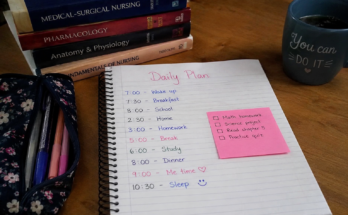
One of the best ways to reduce exam stress is to create a simple study plan. When you have many subjects to prepare, everything can feel confusing. A study plan helps you understand what needs to be done and when you should do it.
Start by writing down all your subjects and topics. Then divide them into smaller tasks. Instead of writing something like “study science,” write a specific task such as “review chapter three and answer practice questions.”
Try to study the most difficult subjects when your mind feels fresh. Keep easier tasks for times when your energy is lower. You do not need to study for many hours without stopping. Short and focused study sessions can be more useful than sitting with books for hours without understanding anything.
A good study plan should also include breaks. Studying continuously can make your brain tired and reduce your concentration.
Do Not Leave Everything Until the Last Minute
Last minute studying is one of the biggest causes of exam stress. When you wait until the night before an exam, you may try to learn a large amount of information in a very short time. This can make you feel tired, nervous, and confused.
Start preparing early, even if you can only study for a small amount of time each day. Reviewing your lessons regularly makes it easier to remember information later.
You do not have to be perfect. Even thirty minutes of focused studying today can make tomorrow easier. The goal is to make steady progress instead of trying to finish everything at once.
Take Regular Breaks
Taking breaks does not mean that you are wasting time. Your brain needs time to rest and process information. If you study for several hours without a break, you may notice that you are reading the same sentence again and again without understanding it.
Try studying for a focused period and then take a short break. During your break, stand up, walk around, drink some water, or simply relax for a few minutes.
Avoid spending your entire break scrolling through social media because it can sometimes make you more distracted. A short walk or quiet rest can help you return to your studies with better concentration.
Get Enough Sleep
Sleep is very important when you are preparing for exams. Many students stay awake late at night because they believe more study time will automatically lead to better grades. However, losing sleep can make it harder to concentrate and remember what you have learned.
Try to maintain a regular sleeping schedule during exam preparation. Give yourself enough time to rest at night. If possible, avoid studying in bed because your brain should connect your bed with sleep and relaxation.
Good sleep can help your memory, attention, mood, and energy. Instead of staying awake all night before an exam, prepare earlier and give your brain time to rest.
Eat Healthy Food and Drink Water
Your body also needs proper care during exam preparation. When students are stressed, they may skip meals or eat too much junk food. This can make them feel tired and uncomfortable.
Try to eat regular meals that give you steady energy. Include foods such as fruits, vegetables, eggs, grains, yogurt, nuts, and other nutritious options that are available to you.
Drinking enough water is also important. Dehydration can make you feel tired and may affect your concentration. Keep a bottle of water near you while studying so you remember to drink regularly.
You do not need a perfect diet during exams. Just try to give your body the basic nutrition and hydration it needs.
Use Deep Breathing When You Feel Overwhelmed
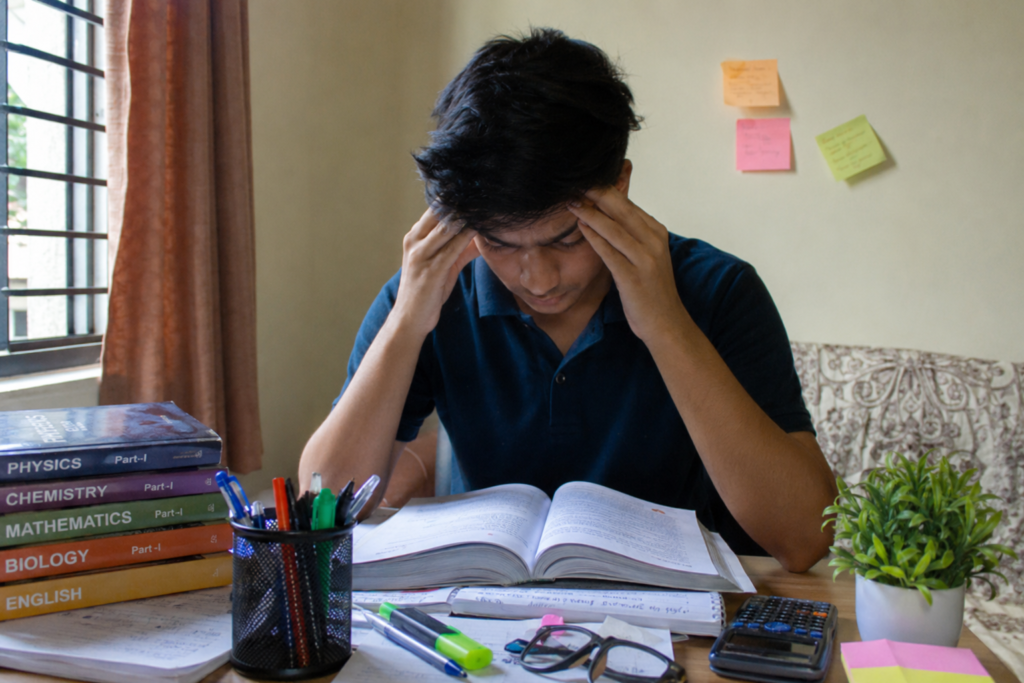
Sometimes exam stress becomes strong suddenly. You may sit at your desk and feel that you cannot study because your mind is full of worry. In these moments, take a few minutes to slow down.
One simple method is deep breathing. Sit comfortably and take a slow breath through your nose. Hold it for a moment and then slowly breathe out. Repeat this several times.
Deep breathing can help you pause and bring your attention back to the present moment. You can use it before studying, before an exam, or whenever you feel overwhelmed.
Avoid Comparing Yourself With Other Students
Every student learns differently. Some students understand a topic quickly while others need more time. Comparing yourself with classmates can increase exam stress and reduce your confidence.
You may hear someone say that they have already completed the entire syllabus. Instead of worrying about what they are doing, focus on your own progress.
Ask yourself whether you are better prepared today than you were yesterday. This is a much healthier way to measure progress.
Your goal should not be to become better than everyone else. Your goal should be to understand the material and perform to the best of your ability.
Practice With Past Papers and Questions
One of the most useful exam preparation techniques is practicing questions. Reading your notes is helpful, but answering questions shows you what you actually remember.
Try solving past papers, practice tests, textbook questions, or questions created from your notes. This can help you become familiar with the exam format.
When you make a mistake, do not become angry with yourself. Mistakes during practice are useful because they show you what you need to review before the real exam.
Practice can also make exams feel less scary because you know what it feels like to answer questions under time pressure.
Talk to Someone You Trust
You do not have to deal with exam stress alone. If you feel extremely worried, talk to someone you trust. This could be a parent, teacher, friend, sibling, or school counselor.
Sometimes simply explaining your worries can make them feel smaller. Someone else may also help you find a solution that you could not see while feeling stressed.
If you are struggling with a particular subject, ask your teacher for help. Asking questions does not mean you are weak. It means you are trying to understand and improve.
Keep Your Thoughts Positive
Your thoughts can have a big effect on your stress level. If you keep telling yourself that you will fail, you may become more anxious and lose motivation.
Try replacing negative thoughts with realistic ones. Instead of saying, “I will never understand this,” say, “This topic is difficult, but I can learn it step by step.”
Being positive does not mean pretending that everything is easy. It means reminding yourself that you can handle challenges and improve with effort.
Exercise and Move Your Body
Physical activity can be a simple way to manage exam stress. You do not need to spend hours at the gym. A short walk, stretching, cycling, or another activity you enjoy can help you take your mind away from studying for a while.
Movement can also help you feel more energetic after sitting at a desk for a long time. Even ten or fifteen minutes of activity can give you a useful mental break.
Try to include some movement in your daily routine, especially during long study days.
Stay Away From Distractions
Phones, social media, games, and unnecessary notifications can make studying harder. When you constantly check your phone, it can take longer to complete simple tasks.
Before starting a study session, put your phone away or turn off notifications. Choose a quiet place where you can concentrate.
You can also set a specific time for checking messages or social media. This allows you to enjoy your free time without constantly thinking about distractions while studying.
Do Not Expect Perfection
Many students put too much pressure on themselves because they believe they must get perfect marks. Having goals is good, but expecting perfection can create unnecessary stress.
Try to focus on preparation, effort, and improvement. You cannot control every question that will appear on an exam. You can control how you prepare and how seriously you take your studies.
If you make a mistake, learn from it and continue. One bad test does not mean that you are a bad student.
What to Do on Exam Day
On exam day, try to stay calm and follow your normal routine. Eat something if you can, drink water, and arrive with enough time so you are not rushing.
Before the exam begins, take a few slow breaths. Read the instructions carefully. Start with questions you understand and then return to more difficult questions if needed.
If you suddenly forget something, do not panic. Take a moment to breathe and move to another question. Sometimes the answer comes back when your mind becomes calmer.
Final Thoughts
Learning how to deal with exam stress as a student takes practice. You cannot always avoid feeling nervous before an important exam, and you do not need to. The goal is to prevent stress from controlling your study routine and your daily life.
Start preparing early, create a realistic study plan, take regular breaks, get enough sleep, eat properly, exercise, and talk to someone when you need help. Most importantly, remember that your exam results are not a complete measure of your intelligence or future.
Exams are temporary challenges. What matters is that you learn how to face them with preparation, patience, and confidence. When you take care of both your studies and yourself, exam preparation becomes much more manageable.