
A difficult semester can make even the most hardworking student feel tired, stressed, and unmotivated. There may be too many assignments, difficult subjects, exams, personal responsibilities, and not enough time to relax. When everything starts happening at the same time, it is easy to lose motivation and think about giving up.
The good thing is that losing motivation during a difficult semester is normal. You do not have to feel motivated every single day to become a successful student. What really matters is learning how to keep moving forward when you do not feel like studying.
In this article, we will discuss practical ways to stay motivated during a difficult semester. These simple study motivation tips can help you manage your time, reduce stress, build better study habits, and keep your focus on your goals.
Understand Why You Feel Unmotivated
The first step to staying motivated during a difficult semester is understanding why you are struggling. Sometimes students think they are lazy when the real problem is stress, tiredness, confusion, or having too much work.
For example, you may feel unmotivated because you have several exams coming soon. You may also feel worried because you do not understand a particular subject. When you do not know where to start, studying can feel impossible.
Take a few minutes to think about what is causing the problem. Are you tired? Are you behind on assignments? Are you spending too much time on your phone? Are you worried about your grades?
Once you understand the real reason, it becomes easier to find a solution.
Set Small and Realistic Goals
One of the best ways to stay motivated during a difficult semester is to stop thinking about everything at once. Looking at a large amount of work can make you feel overwhelmed.
Instead, divide your work into small goals.
For example, instead of saying, “I need to study biology today,” make the goal more specific. You could say, “I will study two chapters of biology for one hour.”
Small goals feel easier to complete. When you finish one task, you get a feeling of progress. That small feeling of success can give you more motivation to continue.
Your goals do not need to be perfect. They simply need to be clear and realistic.
Create a Simple Study Routine
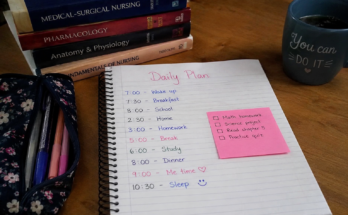
A study routine can make a difficult semester much easier. When you study at random times, it can be difficult to develop consistency. You may spend too much time deciding what to study instead of actually studying.
Create a simple daily study routine based on your classes and responsibilities. Choose specific times for studying, relaxing, eating, and sleeping.
You do not need to study for ten hours every day. Even two or three focused study sessions can make a big difference if you use your time properly.
Try to study at the same time each day. After some time, your brain will become used to the routine, and starting your study session will feel easier.
Focus on Progress Instead of Perfection
Many students lose motivation because they expect themselves to be perfect. They want perfect grades, perfect notes, perfect assignments, and perfect study sessions.
This mindset can create unnecessary pressure.
Remember that progress is more important than perfection. If you studied for thirty minutes today even though you wanted to study for two hours, that is still progress.
If you completed one assignment instead of three, you still moved forward.
Do not waste your energy feeling guilty about what you did not complete. Focus on what you can do next.
Remember Your Main Goal
During a difficult semester, it is easy to forget why you started. You may become so focused on assignments and exams that you stop thinking about your bigger goals.
Take some time to remember what you want to achieve through your education.
Maybe you want to graduate with a good degree. Maybe you want to build a successful career. Maybe you want to make your family proud. Maybe you want to become financially independent.
Whatever your reason is, keep it somewhere you can see it.
You can write your main goal on a piece of paper and keep it near your study table. When you feel like quitting, read it again.
Having a strong reason behind your work can help you stay motivated when studying becomes difficult.
Avoid Comparing Yourself With Other Students
Social comparison can quickly destroy student motivation. You may look at another student and think they understand everything, get better grades, or have a better study routine than you.
But you usually do not see the complete picture.
Every student has different strengths, weaknesses, responsibilities, and challenges. Someone may be doing well in one subject while struggling in another.
Instead of comparing yourself with other students, compare yourself with your past self.
Ask yourself if you understand more today than you did last month. Ask yourself if your study habits are improving. Ask yourself if you are becoming more disciplined.
Your real competition is your previous version.
Take Regular Breaks
Studying for long hours without breaks does not always mean you are being productive. Your brain needs time to rest and recover.
Try studying for a focused period and then taking a short break. During your break, stand up, drink water, walk around, stretch, or simply relax for a few minutes.
Avoid turning a short break into a long social media session. You may plan to check your phone for five minutes and suddenly spend thirty minutes scrolling.
A good break should help you feel refreshed instead of making it harder to return to your studies.

Take Care of Your Sleep
Sleep is often ignored by students during a difficult semester. When exams and assignments are approaching, many students stay awake late at night and reduce their sleeping hours.
However, poor sleep can make studying harder. When you are tired, it becomes more difficult to concentrate, remember information, and control stress.
Try to maintain a regular sleep schedule. Give your body enough time to rest every night.
A good night’s sleep can improve your focus and make your study sessions more productive.
Keep Your Study Space Organized
Your environment can affect your motivation. A messy desk, constant noise, and too many distractions can make studying difficult.
Try to create a simple study space where you can focus. Keep your books, notebooks, pens, and other important materials nearby.
Remove unnecessary things from your desk. Put your phone away if it distracts you.
You do not need an expensive study room. Even a small clean space can help you feel more prepared to study.
Reward Yourself After Completing Tasks
Rewards can make studying feel more enjoyable. After completing an important task, give yourself something small to look forward to.
For example, you could watch an episode of your favorite show, listen to music, eat a snack, play a game, or spend some time with friends.
The reward does not need to be expensive or complicated.
The important thing is to connect effort with something positive. This can make it easier to complete difficult tasks.
Study With Friends When Helpful
Studying alone can sometimes feel boring and stressful. If you have supportive classmates or friends, consider studying together.
You can discuss difficult topics, ask questions, explain concepts to each other, and test your knowledge.
Teaching something to another person is also a useful learning technique. If you can explain a topic in simple words, it usually means you understand it well.
However, make sure your study group actually helps you study. If everyone spends the whole session talking or using social media, studying alone may be better.
Ask for Help When You Need It
You do not have to solve every academic problem alone. If you are struggling with a subject, talk to your teacher, professor, classmate, tutor, or academic advisor.
Asking for help is not a sign of weakness. It shows that you care about improving.
Sometimes one simple explanation can make a confusing topic much easier to understand.
Do not wait until the last day before an exam to ask for help. Try to get support as soon as you notice that you are struggling.
Remember That Motivation Comes and Goes
One of the most important things to understand about motivation is that it is not permanent. Some days you will feel excited and productive. Other days you may not want to open your books at all.
That is normal.
Successful students are not motivated every day. They learn how to continue even when motivation is low.
This is where discipline becomes important. A simple routine can help you study even when you are not feeling inspired.
You do not need to feel ready before starting. Sometimes motivation comes after you begin.
Celebrate Small Wins
During a difficult semester, do not wait until the final exam or final grade to celebrate your progress.
Celebrate small achievements.
Finished an assignment? Good.
Completed a difficult chapter? Good.
Studied for an hour without checking your phone? Good.
Improved your test score? Great.
These small wins remind you that your hard work is producing results. They can also help you develop a positive attitude toward studying.
Do Not Be Too Hard on Yourself
A difficult semester can test your patience and confidence. You may make mistakes, receive a low grade, miss a deadline, or have an unproductive day.
Do not let one bad day convince you that you are a failure.
One poor exam does not define your intelligence. One missed study session does not destroy your semester. You can always start again.
Instead of saying, “I cannot do this,” try saying, “I am having a difficult time, but I can improve.”
The way you talk to yourself can have a big effect on your motivation.
Final Thoughts
Staying motivated during a difficult semester is not about feeling positive all the time. It is about learning how to continue when things become challenging.
Set small goals, create a simple study routine, take care of your sleep, avoid unnecessary comparisons, take breaks, and remember why your education matters to you.
Most importantly, give yourself permission to have difficult days. You do not need to be perfect. You simply need to keep making progress.
A difficult semester is only one part of your education. It will eventually end. The effort you put in today can help you build better study habits, stronger discipline, and greater confidence for the future.
When you feel overwhelmed, focus on the next small step instead of the entire semester. Open your book, complete one task, review one topic, and keep going.
Sometimes the best way to stay motivated is simply to remind yourself that you have already come this far. Keep moving forward, one study session at a time.