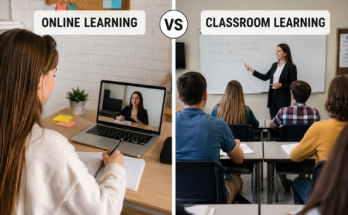
Online learning has made education easier and more flexible for students. A student can attend a class, watch a lecture, read a lesson, or complete an assignment from almost anywhere. However, learning online also comes with a common problem. There are many distractions around us that can make it difficult to focus on studies.
Social media, mobile phones, online games, messages, videos, and even household activities can take attention away from learning. Sometimes a student opens the computer to study but ends up spending an hour watching random videos or checking social media. This can reduce productivity and make studying feel much harder.
Learning how to avoid distractions while learning online is an important skill for every student. With a few simple habits and a better study routine, students can improve their focus, complete their work on time, and learn more effectively.
Create a Dedicated Study Space
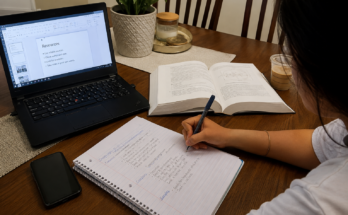
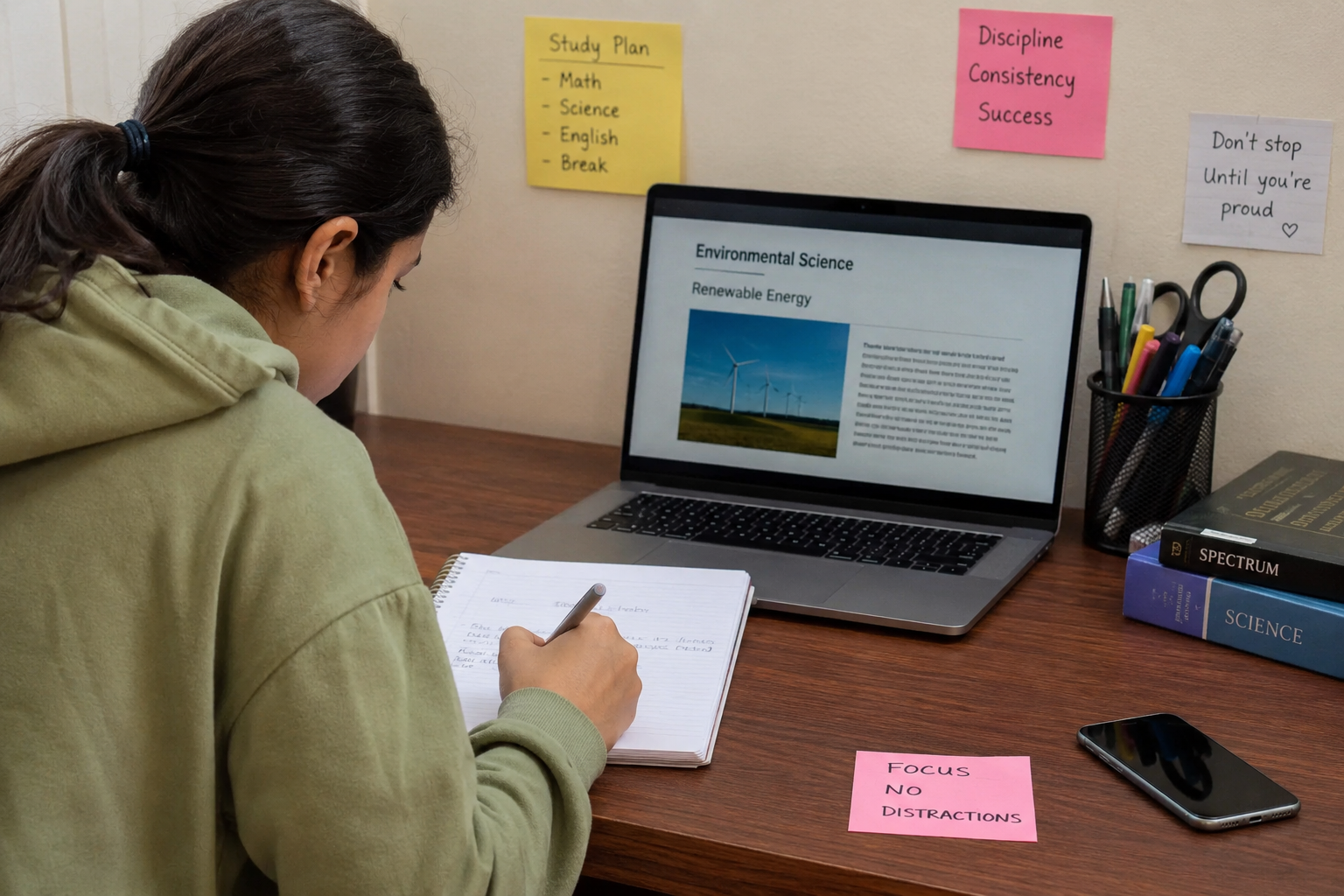
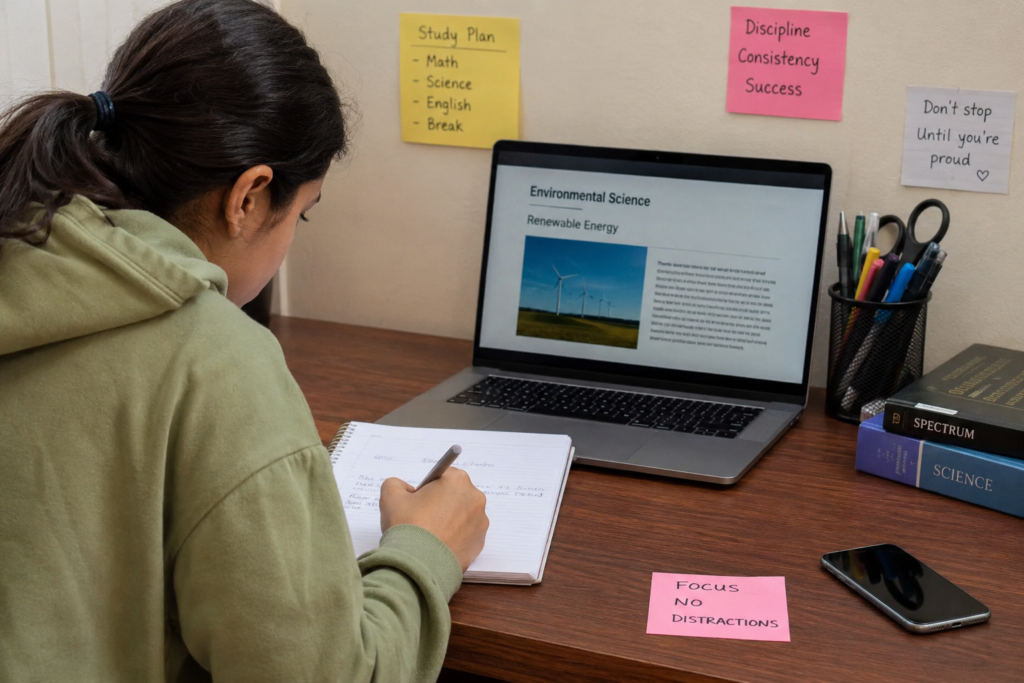
One of the best ways to avoid distractions while learning online is to create a dedicated study space. You do not need an expensive desk or a separate room. Even a small and clean corner of your home can work well.
Try to use the same place whenever you study. Keep your books, notebook, laptop, charger, and other study materials nearby. A clean study area can help your brain understand that it is time to focus.
Avoid studying in places where you normally relax, such as your bed or sofa. These places can make you feel sleepy or encourage you to use your phone. A proper study space can help you develop a strong learning routine.
Keep Your Phone Away
Mobile phones are one of the biggest distractions for students. Notifications from social media, messaging apps, games, and other applications can quickly break your concentration.
When you are studying online, keep your phone away from your study table if possible. You can place it in another room or put it inside your bag. If you need your phone for learning, turn off unnecessary notifications.
Using silent mode can also help. However, simply keeping the phone on silent may not be enough because you may still feel tempted to check it. Keeping it physically away from you is often a better solution.
Turn Off Unnecessary Notifications
Notifications can interrupt your attention even when you do not respond to them. A small message appearing on your screen can make you wonder who sent it. Before you know it, you may be checking your phone instead of studying.
Turn off notifications from social media, shopping apps, games, and other services that are not related to your studies. Keep only important notifications that you actually need.
You can also use the Do Not Disturb feature on your phone and computer during study hours. This simple step can make online learning much more peaceful.
Set Clear Study Goals
Many students start studying without deciding what they want to complete. This can make it easy to lose focus.
Before starting an online study session, set a clear goal. For example, you can decide to complete one lecture, read two chapters, prepare class notes, or finish a specific assignment.
A clear goal gives your study session a purpose. Instead of thinking about studying for several hours, you can focus on completing one small task at a time.
Breaking large tasks into smaller goals can also make studying less stressful. When you finish one goal, you can move to the next one.
Use a Study Schedule
A study schedule can help students manage their time and avoid distractions. Without a schedule, students may keep delaying their work and spend too much time on entertainment.
Create a simple daily or weekly study plan. Decide when you will attend online classes, complete assignments, revise lessons, and take breaks.
Your schedule does not need to be complicated. Even writing a few important tasks in a notebook can help. Try to follow your schedule consistently so that studying becomes a normal part of your day.
Take Short Breaks
Studying for many hours without a break can make your mind tired. When you become tired, distractions become more tempting.
Taking short breaks can help you maintain concentration. After studying for a reasonable period, take a few minutes to stand up, drink water, stretch, or walk around.
During your break, try not to spend too much time on social media. A short break can easily become thirty minutes if you start watching videos or scrolling through posts.
The goal of a study break is to refresh your mind, not replace studying with entertainment.
Avoid Social Media During Study Time
Social media is designed to keep people engaged, which makes it a major distraction during online learning. Students may open an application for only a few minutes but end up spending a long time scrolling.
Try to avoid social media during your study sessions. Log out of social media accounts on your computer if necessary. You can also use website blocking tools to prevent access to distracting websites for a specific period.
Set a specific time for social media after your important study tasks are completed. This allows you to enjoy social media without allowing it to control your study time.
Remove Unnecessary Browser Tabs
When studying online, students often have many browser tabs open at the same time. Some tabs may contain social media, entertainment websites, shopping pages, or other unrelated content.
Too many tabs can make it easier to become distracted. Keep only the tabs you need for your current lesson or assignment.
If you find an interesting website while studying, save it for later instead of opening it immediately. This small habit can help you stay focused on your main task.
Use Headphones When Necessary
Noise from television, conversations, traffic, or other activities can make online learning difficult. If you cannot find a quiet place, headphones can help reduce outside noise.
You can listen to quiet background sounds if they help you concentrate. However, avoid music that makes you want to sing along or check your phone.
For some students, complete silence works better. The important thing is to understand what environment helps you learn best.
Tell Your Family About Your Study Time
Students who study at home may face interruptions from family members. People may ask questions, start conversations, or request help while the student is attending an online class.
Let your family know when you are studying or attending an online lecture. You can tell them that you need quiet time for a specific period.
If possible, put a simple sign near your study area to show that you are attending class or studying. Clear communication can reduce unnecessary interruptions.
Avoid Multitasking
Many students believe they can study while watching television, chatting with friends, or listening to unrelated videos. In reality, multitasking often reduces concentration.
When you switch between different activities, your brain needs time to focus on the new task. This can make learning slower and less effective.
Try to give your full attention to one task at a time. If you are watching a lecture, focus on the lecture. If you are writing an assignment, focus on the assignment.
Single tasking may feel difficult at first, but it can improve your concentration over time.
Use the Right Online Learning Tools
Technology can create distractions, but it can also help students stay focused. There are many useful tools that can support online learning and time management.
Students can use digital calendars, task management applications, timers, note taking tools, and website blockers. These tools can help organize study sessions and reduce unnecessary screen time.
Choose tools that are simple and useful. You do not need many applications to become a better student. Sometimes one calendar and one task list are enough.
Practice the Pomodoro Technique
The Pomodoro Technique is a popular study method that can help students improve focus. The basic idea is to study for a focused period and then take a short break.
For example, you can study for twenty five minutes and then take a five minute break. After several study sessions, you can take a longer break.
This method can make large tasks feel easier because you only need to focus for a short period. Students who struggle with concentration may find this technique especially useful.
Get Enough Sleep
Sleep is an important part of effective learning. When students do not get enough sleep, they may find it harder to concentrate, remember information, and complete tasks.
Try to maintain a regular sleeping schedule. Avoid staying awake late at night just to watch videos or use social media.
A well rested student is usually better prepared to focus during online classes and study sessions.
Stay Physically Active
Physical activity can also support better concentration. Students who spend many hours sitting in front of a screen can become tired and uncomfortable.
Take time to walk, stretch, exercise, or participate in another physical activity during the day. Even a short walk can help you feel more refreshed.
A healthy balance between study time and physical activity can make online learning more enjoyable.
Reward Yourself After Completing Tasks
Small rewards can help students stay motivated. After completing an important assignment or study goal, give yourself some free time.
You might watch an episode of a show, talk with friends, play a game, or enjoy another activity you like. The important thing is to use rewards after completing your study goals rather than before them.
This can help you develop a healthier relationship with entertainment and studying.
Learn to Recognize Your Biggest Distractions
Every student has different distractions. For one student, the biggest problem may be social media. For another, it may be video games, family interruptions, television, or unnecessary internet browsing.
Think about what usually takes your attention away from studying. Once you know your biggest distractions, you can create a specific plan to control them.
For example, if your phone is the problem, keep it away. If websites distract you, use a website blocker. If noise is the problem, find a quieter place or use headphones.
Conclusion
Avoiding distractions while learning online is not always easy, but it is possible with the right habits. Students do not need to completely stop using technology or entertainment. They simply need to learn how to control their attention.
Creating a dedicated study space, keeping your phone away, turning off notifications, setting clear goals, following a study schedule, and taking useful breaks can make a big difference. Students should also avoid multitasking, reduce social media use, get enough sleep, and use helpful online learning tools.
The most important thing is consistency. You do not need to become perfectly focused in one day. Start with one or two changes and slowly build better study habits. With regular practice, students can improve concentration, manage their time better, and get more value from online learning.
Online education gives students many opportunities to learn new things and build useful skills. When distractions are controlled, students can use these opportunities more effectively and make their online learning experience more productive.