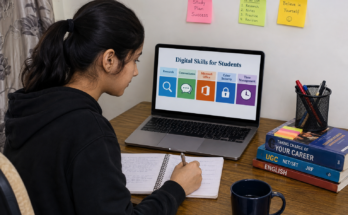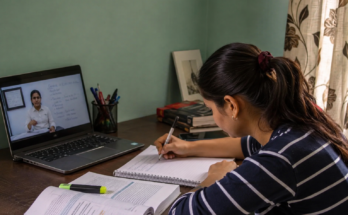
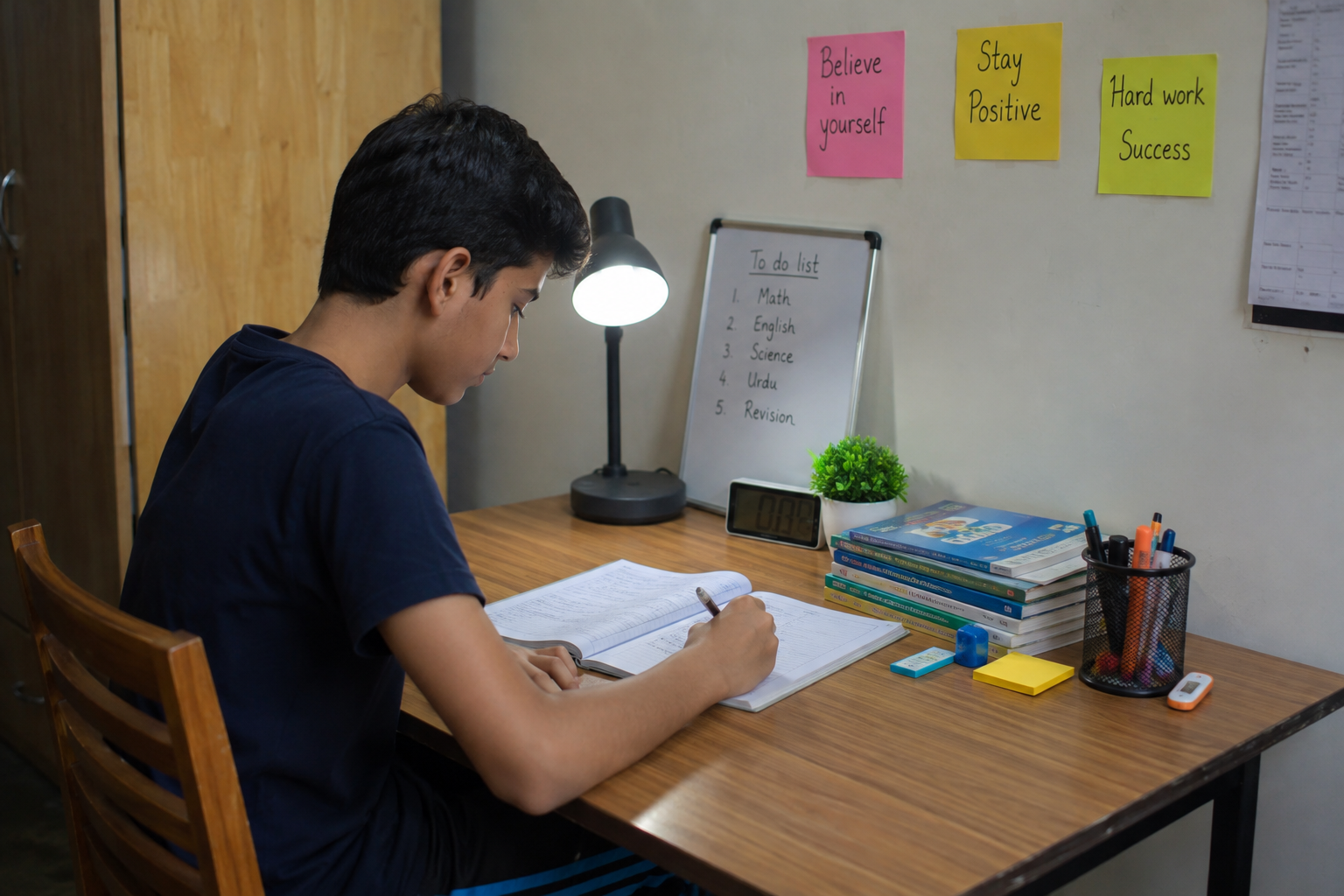
Learning at home can be a great experience when students have the right environment around them. A quiet and comfortable place can help students focus better, understand lessons easily, and complete their work on time. However, creating a positive learning environment at home is not only about having a study table or a separate room. It is also about building good habits, reducing distractions, and creating a space where students feel comfortable asking questions and making mistakes.
A positive learning environment at home can improve concentration, motivation, confidence, and academic performance. Parents and students can work together to create a simple learning space that supports both education and personal growth. It does not have to be expensive or perfect. Even small changes can make a big difference in the way a student learns.
Choose a Quiet Place for Learning
The first step to create a positive learning environment at home is choosing a suitable place for studying. Students should have a space where they can focus without too much noise or interruption. It can be a separate room, a corner of a bedroom, or even a small area in the living room.
The important thing is that the place should be used mainly for learning. When students use the same space regularly for studying, their minds can start connecting that place with learning and concentration.
Try to choose a place away from televisions, loud conversations, and unnecessary movement. If the home is busy, students can use headphones without music to reduce background noise. A quiet environment can make it easier to read, write, attend online classes, and complete assignments.
Keep the Study Area Clean
A clean study area can help students feel more organized. When books, papers, chargers, and other items are spread across the table, it can become difficult to concentrate. Students may spend more time looking for things instead of studying.
Keep only the items needed for the current study session on the table. Books, notebooks, pens, and a computer or tablet can be placed where they are easy to reach. At the end of each study session, students should spend a few minutes putting everything back in its place.
A simple and organized study area can make studying feel less stressful. It can also teach students the importance of organization and responsibility.
Make the Learning Space Comfortable
Comfort is another important part of a positive learning environment at home. Students often spend several hours studying, so they need a chair and table that allow them to sit comfortably.
Good lighting is also important. Natural light is a good option during the day, while a suitable desk lamp can help in the evening. The room should not be too hot or too cold because uncomfortable temperatures can make it harder to focus.
The study area does not need expensive furniture. A basic table, comfortable chair, good lighting, and enough space for school materials can be enough.
Reduce Distractions
Distractions are one of the biggest problems students face when learning at home. Phones, social media, television, games, and unnecessary internet browsing can quickly take attention away from schoolwork.
Students should keep their phones away when they need to focus. If a phone is required for an online class or research, notifications from social media and other apps should be turned off.
Parents can also help by giving students uninterrupted study time. Family members should understand when a student is studying and avoid unnecessary interruptions.
Reducing distractions does not mean students cannot take breaks or enjoy entertainment. It simply means separating study time from free time.
Create a Regular Study Routine
A regular study routine can make learning easier. Students should try to study at similar times each day. A routine helps the brain prepare for learning and can reduce the habit of delaying schoolwork.
For example, a student may study for one hour after lunch and another hour in the evening. The exact schedule depends on the student’s school timetable, age, responsibilities, and personal preferences.
A good routine should include study time, short breaks, meals, exercise, hobbies, and enough sleep. Students should not spend the entire day studying because rest is also important for effective learning.
Set Clear Learning Goals
Learning becomes easier when students know what they want to achieve. Instead of simply saying, “I will study today,” students can create specific goals.
For example, a student may decide to complete two mathematics exercises, read one chapter of a book, or prepare notes for an upcoming test. Small goals are easier to manage and can give students a feeling of progress.
Students can write their daily goals in a notebook or planner. After completing each task, they can mark it as finished. This simple habit can increase motivation and help students stay organized.
Encourage Questions and Mistakes
A positive learning environment should make students feel comfortable asking questions. Students should understand that not knowing something is a normal part of learning.
Parents should avoid making students feel embarrassed when they make mistakes. Instead, mistakes can be treated as opportunities to learn. When students feel safe making mistakes, they are more likely to try difficult tasks and develop confidence.
Parents can ask simple questions such as, “What part was difficult?” or “How can we understand this together?” This approach can make learning feel like a process rather than a source of pressure.
Give Positive Support
Positive support can have a strong effect on student motivation. Parents should notice effort, improvement, and good habits instead of focusing only on grades.
Saying, “You worked hard on this,” can encourage a student to continue trying. Students need to know that their effort matters even when the final result is not perfect.
Constant criticism can make students afraid of failure. Positive encouragement can help them become more confident and willing to learn.
Use Technology in a Smart Way
Technology can be very useful for learning at home. Students can use educational websites, online courses, digital books, videos, learning apps, and other resources to understand difficult topics.
However, technology can also create distractions. Students should have clear rules for using devices during study time.
For example, they can use a laptop for research but avoid social media until their study session is finished. Parents can help younger students choose useful educational resources and understand safe internet habits.
The goal is not to avoid technology. The goal is to use technology as a learning tool instead of allowing it to become a distraction.
Take Regular Breaks
Studying for many hours without a break can make students tired and less focused. Short breaks can help refresh the mind and improve concentration.
During a break, students can walk around, drink water, stretch, or simply relax for a few minutes. It is better to avoid activities that are difficult to stop, such as long gaming sessions or endless social media scrolling.
After a short break, students can return to their work with better attention.
Keep Communication Open
Communication between parents and students is an important part of a positive learning environment at home. Parents should regularly ask students how their studies are going and whether they are facing any problems.
However, students should not feel that every conversation about school is a test or criticism. Parents can listen first and then offer support.
If a student is struggling with a subject, parents can help find resources, speak with a teacher, or create a better study plan. Open communication can prevent small learning problems from becoming bigger ones.
Encourage Reading at Home
Reading is one of the easiest ways to create a strong learning culture at home. Students can read textbooks, storybooks, newspapers, magazines, or educational articles depending on their age and interests.
Parents can also encourage reading by keeping books available at home. When children see family members reading, they may become more interested in reading themselves.
Reading regularly can improve vocabulary, writing ability, knowledge, and critical thinking skills. It can also make students more comfortable with learning independently.
Balance Learning With Family Time
A positive learning environment should not make home feel like a school all the time. Students need time to relax and enjoy their family life.
Family meals, conversations, outdoor activities, hobbies, and entertainment can help students recharge. A healthy balance between study and personal life can reduce stress and improve overall motivation.
Parents should understand that students need rest. A student who is tired and stressed may not learn effectively even after spending many hours with books.
Make Learning Interesting
Learning does not always have to happen through textbooks. Parents can make learning more interesting by connecting lessons with everyday life.
For example, mathematics can be practiced while shopping or cooking. Science can be explored through simple experiments. History can become more interesting through documentaries and books. Writing skills can improve through journaling or creative writing.
When students understand how knowledge connects to real life, learning can become more meaningful.
Conclusion
Creating a positive learning environment at home does not require a perfect house, expensive equipment, or a large study room. What students need most is a comfortable place, a regular routine, fewer distractions, positive support, and enough freedom to learn from mistakes.
Parents can play an important role by encouraging students, listening to their concerns, and helping them develop good study habits. Students can also take responsibility by keeping their study area organized, managing their time, setting goals, and using technology wisely.
A positive learning environment at home can help students become more focused, confident, organized, and independent. With simple daily habits and supportive family communication, home can become a place where students not only complete their schoolwork but also develop a genuine interest in learning.