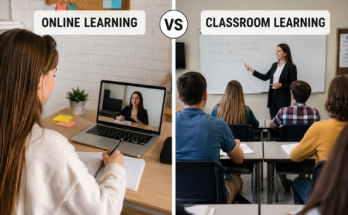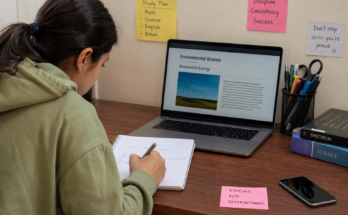
Technology has changed the way students learn and study. In the past, students mostly depended on books, notebooks, libraries, and classroom lectures. Today, students can use laptops, tablets, smartphones, educational websites, online courses, study apps, and many other digital tools to make learning easier. When technology is used in the right way, it can help students understand difficult topics, save time, stay organized, and improve their study habits.
However, technology can also become a distraction. Social media, games, entertainment, and unnecessary notifications can take attention away from studying. This is why students need to learn how to use technology wisely. The goal is not to spend more time on devices but to use digital tools in a way that makes studying more productive.
In this article, we will discuss the best ways to use technology for studying and how students can use simple digital tools to improve their learning experience.
Use Online Learning Platforms
One of the best ways to use technology for studying is through online learning platforms. There are many websites and applications that provide educational courses, lessons, tutorials, and practice materials. Students can find useful resources for subjects such as mathematics, science, English, computer studies, business, and many other fields.
Online learning platforms are helpful because students can learn at their own speed. If a topic is difficult, they can watch the lesson again or search for another explanation. If a topic is easy, they can move forward without waiting for the whole class.
Students should choose reliable educational platforms and focus on courses that are related to their studies. Using too many platforms at the same time can create confusion, so it is better to choose a few useful resources and use them regularly.
Watch Educational Videos
Educational videos can make difficult subjects easier to understand. Some topics are hard to learn from written notes alone. A good video can explain an idea with examples, pictures, animations, and simple explanations.
Students can use video platforms to find lectures, tutorials, demonstrations, and subject explanations. For example, a science student can watch an experiment video, while a mathematics student can watch a step by step explanation of a difficult problem.
The important thing is to watch videos actively. Students should pause the video when needed, take notes, and try to explain the topic in their own words. Simply watching many videos without practicing does not always lead to better learning.
Use Study Apps
Study apps can help students organize their learning and develop better study habits. There are applications for making notes, creating flashcards, managing tasks, setting reminders, practicing questions, and tracking study time.
Flashcard apps are especially useful for remembering vocabulary, definitions, formulas, important dates, and key concepts. Students can create their own flashcards and review them regularly.
Study apps can also help students create a daily study routine. Instead of deciding what to study every day, students can prepare a simple digital study plan and follow it.
Take Digital Notes
Digital note taking is another useful way to use technology for studying. Students can take notes on a laptop, tablet, or smartphone instead of writing everything in a notebook.
Digital notes are easy to organize and search. Students can create separate folders for different subjects and keep all important information in one place. They can also add images, links, charts, and other useful materials to their notes.
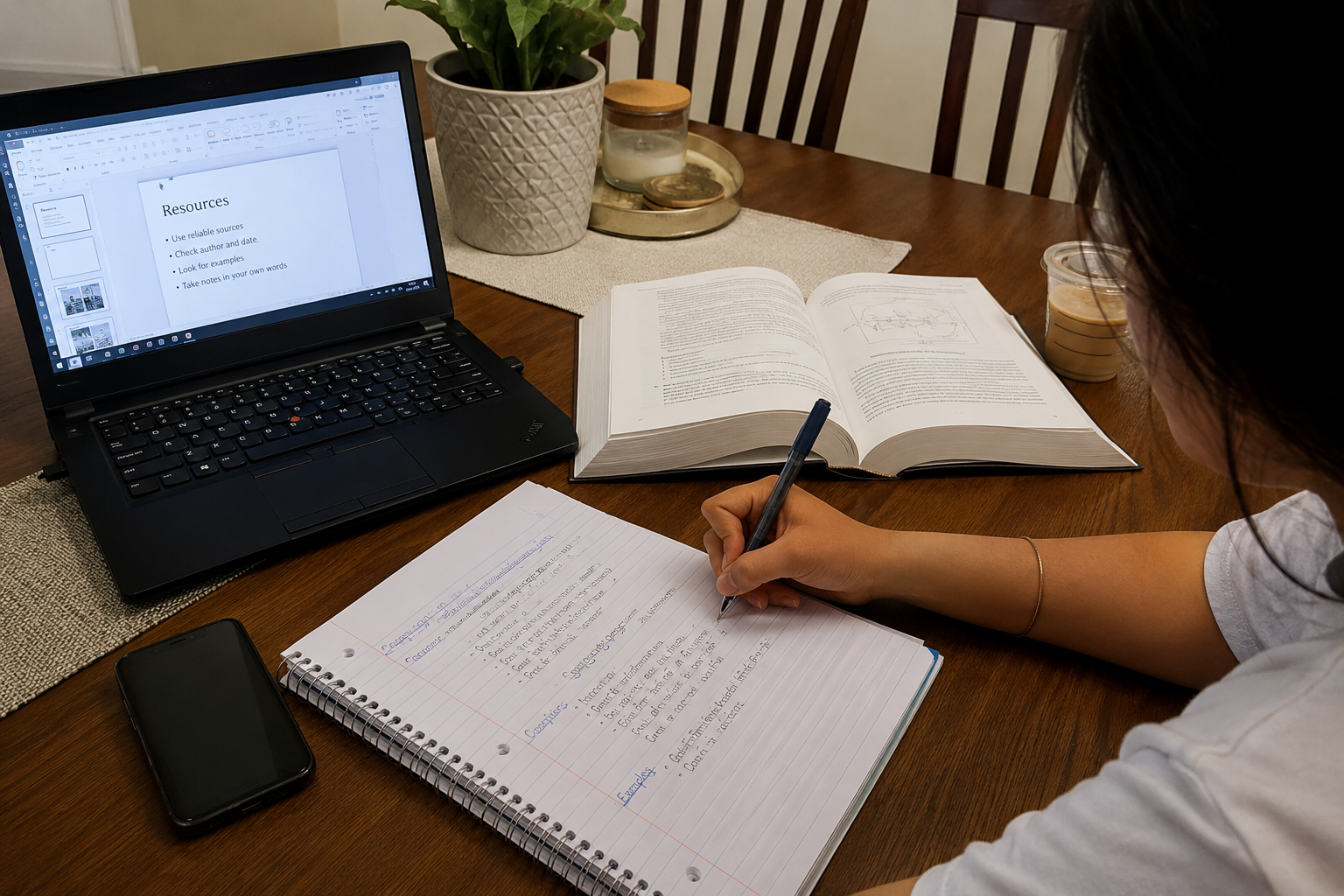
However, students should avoid copying everything from a lecture or textbook. Good notes should contain the most important ideas in simple language. Writing information in your own words can also help you understand and remember it better.
Use Online Research Tools
The internet gives students access to a huge amount of information. When students do not understand a topic, they can search for additional explanations, examples, articles, research papers, and educational resources.
Online research can be very helpful for assignments and projects. However, students should learn how to identify trustworthy information. Not every website provides correct or reliable information.
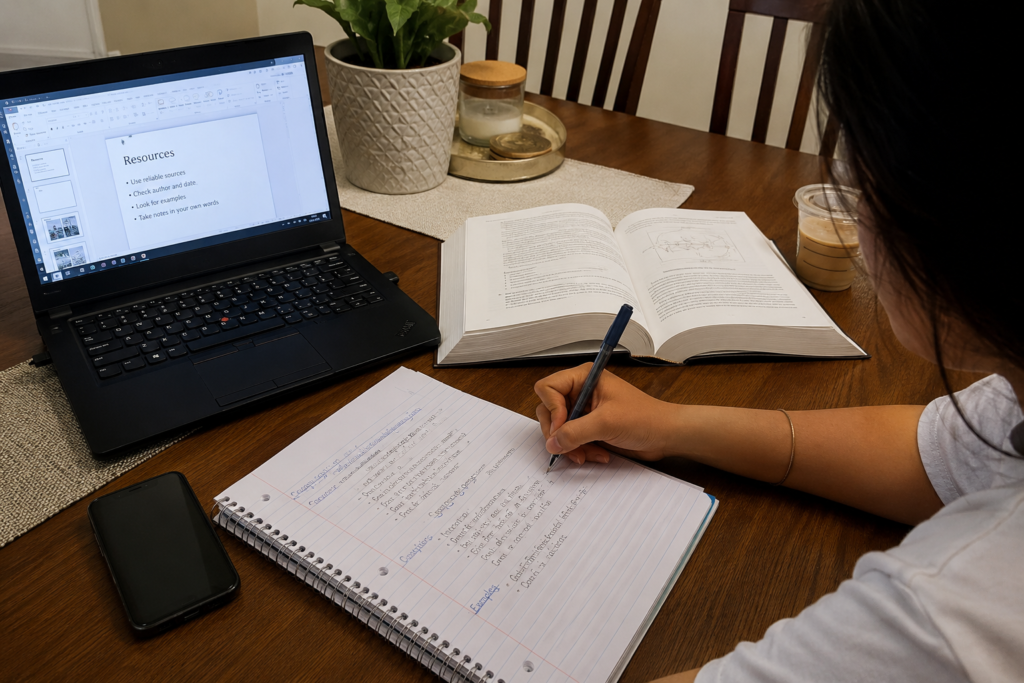
Students should compare information from different reliable sources and check the author, publication date, and purpose of the content. For important academic work, it is better to use trusted educational websites, books, journals, and official sources.
Use Digital Calendars and Reminders
Many students struggle with managing their time. Digital calendars and reminder apps can make this easier. Students can use them to remember homework, exams, assignments, presentations, and other important deadlines.
A simple digital calendar can show what needs to be completed each day or week. Students can also set reminders before an important deadline so they do not forget their responsibilities.
Good time management can reduce last minute stress. When students know what they need to do, they can divide large tasks into smaller parts and complete them gradually.
Try Online Study Groups
Technology also makes it possible for students to study with others even when they are not in the same place. Online study groups can be created through messaging apps, video meeting platforms, or educational communities.
Students can discuss difficult topics, share useful resources, ask questions, and help each other prepare for exams. Explaining a topic to another student can also improve understanding.
However, online study groups should remain focused on learning. If the conversation becomes mostly about entertainment or unrelated topics, it can waste valuable study time.
Use Artificial Intelligence Carefully
Artificial intelligence tools are becoming increasingly common in education. Students can use AI tools to understand difficult concepts, generate practice questions, improve grammar, summarize information, and get ideas for studying.
AI can be useful as a learning assistant, but students should not depend on it for everything. Students need to think, research, practice, and complete their own academic work.
One good way to use AI for studying is to ask for a simple explanation of a difficult topic. Students can then compare that explanation with their textbook or class notes. They can also use AI to create practice questions and test their understanding.
The best use of technology is when it helps students learn instead of doing all the learning for them.
Use Digital Flashcards
Digital flashcards are one of the simplest technology based study methods. They are useful for memorizing information and reviewing it regularly.
Students can create a question on one side of a digital card and the answer on the other side. For example, language students can write a word on one side and its meaning on the other. Science students can use flashcards for definitions and formulas.
Regular review is important because information becomes easier to remember when students practice it multiple times over a period of time.
Practice With Online Quizzes
Online quizzes are a great way to test your knowledge. Instead of only reading notes, students can answer questions and find out what they actually remember.
Many educational websites provide quizzes for different subjects. Students can also create their own questions using digital tools.
Practice tests are especially useful before exams. They help students identify weak areas and understand which topics need more attention.
Use Cloud Storage
Cloud storage allows students to save important files online. This can include notes, assignments, presentations, study materials, and project documents.
One major advantage is that students can access their files from different devices. If a student starts an assignment on a laptop, they can continue working on it from a tablet or another computer.
Cloud storage can also reduce the risk of losing important schoolwork because files can be backed up online.
Turn Off Distractions
Technology is useful for studying, but distractions are one of its biggest problems. Students can easily start studying and then spend an hour checking social media or watching entertainment videos.
To avoid this problem, students should turn off unnecessary notifications while studying. They can also use focus modes or website blocking tools to reduce distractions.
Keeping the phone away from the study area can also help. The fewer distractions around you, the easier it becomes to concentrate.
Follow the Right Study Routine
Technology works best when it becomes part of a good study routine. Students should decide what they want to accomplish before starting a study session.
For example, instead of saying that they will study for three hours, students can set a specific goal such as completing one chapter, solving twenty questions, or reviewing a particular topic.
Short focused study sessions can often be more effective than long sessions filled with distractions. Students should also take regular breaks to rest their minds.
Conclusion
Technology can be a powerful tool for students when it is used correctly. Online learning platforms, educational videos, study apps, digital notes, online research, digital calendars, flashcards, quizzes, cloud storage, and AI tools can all make studying more organized and effective.
The most important thing is to remember that technology is a tool, not a replacement for effort. Students still need to read, think, practice, ask questions, and review what they learn.
The best ways to use technology for studying are the ones that help you understand information, stay organized, save time, and build better study habits. By controlling distractions and choosing useful digital resources, students can make technology an important part of their education and achieve better results in their studies.