Graduation is an important step in every student’s life. It is the time when students leave school or college and start thinking about their future. Some students want to find a job, while others may continue their education or start a business. Whatever path a student chooses, having the right skills can make life much easier.
Education gives students knowledge, but knowledge alone is not always enough. Students also need practical skills that can help them communicate, solve problems, manage money, work with others, and handle everyday responsibilities. Learning these skills before graduation can help students feel more confident and prepared for the real world.
In this article, we will discuss the important skills every student should learn before graduation and explain why these skills are useful for future success.
1. Communication Skills
Communication is one of the most important skills every student should learn before graduation. Students use communication skills in almost every part of life. They need to talk with teachers, classmates, employers, customers, friends, and family members.
Good communication means being able to explain your ideas clearly and listen carefully when someone else is speaking. It also includes writing emails, preparing messages, speaking in meetings, and asking questions when something is not clear.
Students can improve their communication skills by participating in class discussions, giving presentations, joining group activities, and practicing writing. Strong communication can help students perform better in interviews and build better relationships at work.
2. Time Management
Time management is another important skill for students. Many students struggle with managing classes, homework, exams, personal activities, and social life at the same time.
Learning how to manage time before graduation can make the transition into professional life much easier. Students should learn how to create a daily schedule, set priorities, and complete important tasks on time.
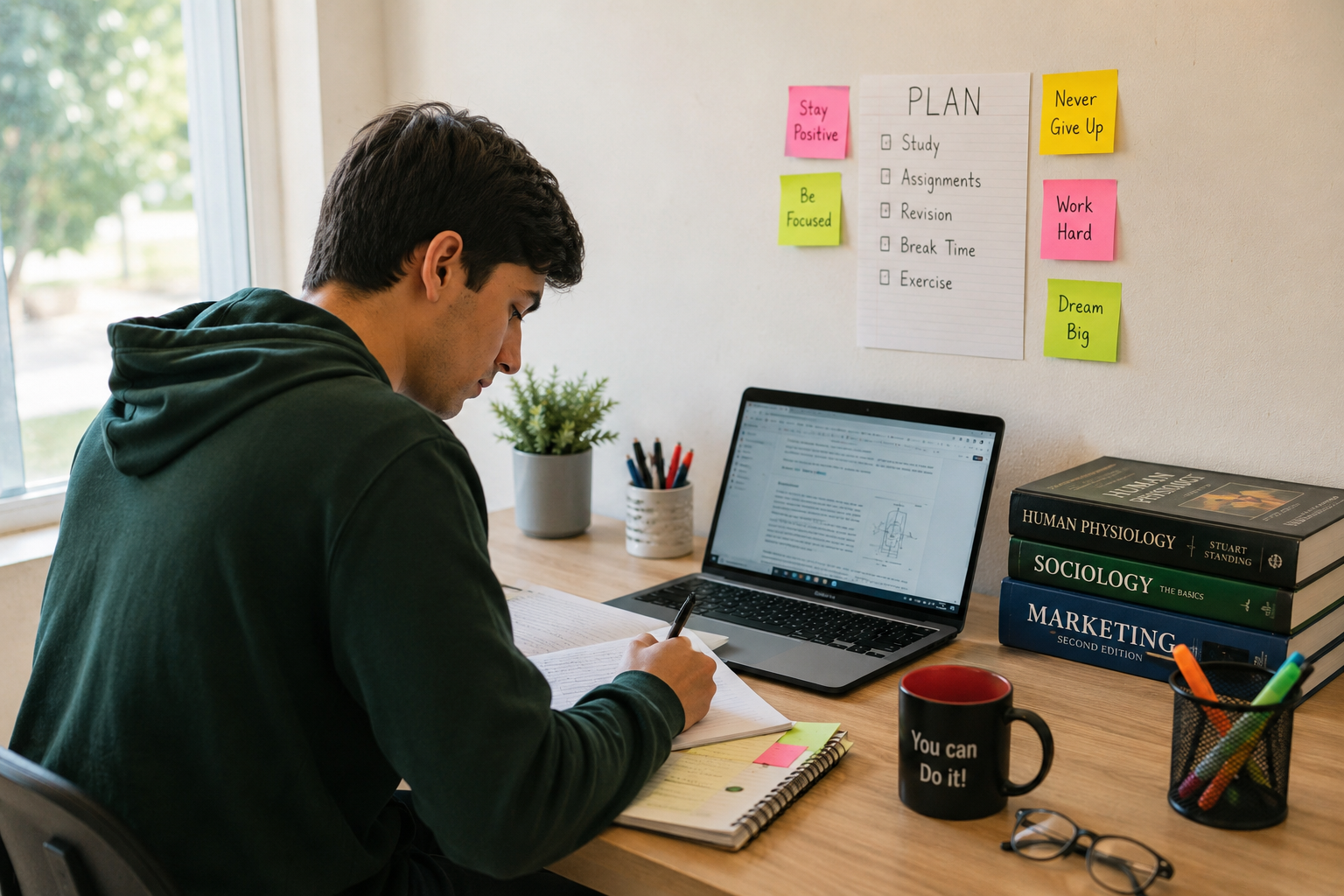
A simple to do list can be very helpful. Students can write down everything they need to complete and then focus on the most important tasks first. Using a calendar can also help students remember deadlines and appointments.
Good time management does not mean being busy every minute. It means using your available time wisely while also making time for rest and personal activities.
3. Critical Thinking
Critical thinking is a valuable skill that helps students make better decisions. In everyday life, people receive information from social media, websites, advertisements, friends, and many other sources. Not all information is accurate.
Students should learn how to question information and think carefully before accepting something as true. They should be able to compare different sources, look for evidence, and understand different points of view.
Critical thinking is also useful at work. Employers want people who can understand problems and find practical solutions instead of simply waiting for someone else to provide an answer.
Students can develop critical thinking by reading different types of content, asking questions, discussing ideas, and solving real problems.
4. Problem Solving
Problems are a normal part of life. Students will face challenges in their studies, careers, finances, and personal lives. Learning problem solving skills before graduation can help them handle these situations calmly.
Good problem solving starts with understanding the problem. After that, students can think about possible solutions and consider the advantages and disadvantages of each option.
Students do not need to find the perfect answer every time. They need to learn how to stay calm, think clearly, and take reasonable action.
Problem solving skills can also make students more valuable in the workplace because employers appreciate workers who can find solutions without giving up quickly.
5. Basic Financial Skills
Many students leave college without knowing how to manage their money. This can create problems when they start earning and spending money independently.
Every student should learn basic financial skills before graduation. This includes understanding income, expenses, saving, budgeting, and responsible spending.
Students should know how to create a simple monthly budget. They should understand where their money is going and avoid unnecessary spending whenever possible.
Learning about savings is also important. Even a small amount saved regularly can become useful during emergencies. Students should also understand the importance of making careful financial decisions before taking on debt.
Basic money management skills can help students become more independent and financially responsible.
6. Digital Skills
Technology is now a major part of education, business, and everyday life. Because of this, digital skills are among the most important skills every student should learn before graduation.
Students should know how to use common computer programs, search for reliable information online, manage files, create documents, and communicate through digital platforms.
It is also useful to understand basic online safety. Students should learn how to create strong passwords, protect personal information, identify suspicious messages, and use websites responsibly.
Digital skills can improve both academic and professional opportunities. Many modern jobs require employees to use technology every day.
7. Teamwork
Very few people work completely alone. Students will often need to work with classmates, coworkers, managers, customers, or other groups.
Teamwork teaches students how to share responsibilities, respect different opinions, and work toward a common goal. It also teaches patience because not everyone thinks or works in the same way.
Students can improve teamwork skills by participating in group projects, sports, clubs, volunteer activities, and other team based activities.
A good team member knows how to contribute ideas while also listening to others. This skill can be extremely valuable after graduation.
8. Leadership Skills
Leadership is not only for people who become managers. Every student can benefit from learning basic leadership skills.
Good leadership means taking responsibility, making decisions, supporting others, and helping a group move toward a goal. A leader does not always need to be the loudest person in the room.
Students can develop leadership skills by organizing events, leading group projects, helping classmates, or taking responsibility in school activities.
Leadership experience can also make a student more confident when applying for jobs and speaking during interviews.
9. Adaptability
The world changes quickly. New technologies, job opportunities, and challenges appear regularly. Students who can adapt to change are more likely to succeed in different situations.
Adaptability means being willing to learn something new and adjust when circumstances change. It also means understanding that plans do not always work exactly as expected.
Students can develop adaptability by trying new activities, learning new skills, and accepting constructive feedback. Instead of being afraid of change, they can learn to see it as an opportunity to grow.
10. Self Discipline
Motivation can help someone start a task, but self discipline helps them finish it. This is why self discipline is an important skill every student should learn before graduation.
Students need self discipline to study regularly, complete assignments, prepare for exams, and avoid distractions. The same skill becomes even more important after graduation when there may be fewer people checking whether tasks are completed.
Students can build self discipline by creating simple routines and following them consistently. Starting with small goals can make this process easier.
11. Public Speaking
Many students feel nervous when speaking in front of other people. However, public speaking is a skill that can improve with practice.
Students may need to give presentations, attend meetings, explain ideas, or speak during job interviews. Being able to speak clearly and confidently can create a strong impression.
Students can practice public speaking by giving short presentations, reading aloud, joining discussions, or explaining a topic to friends. With regular practice, nervousness usually becomes easier to manage.
12. Emotional Intelligence
Emotional intelligence means understanding your own emotions and recognizing the feelings of other people. This skill can improve relationships at school, work, and home.
Students with good emotional intelligence can manage frustration, respond calmly to difficult situations, and understand different perspectives.
This does not mean ignoring emotions. It means learning how to handle emotions in a healthy and responsible way.
13. Networking Skills
Building relationships with other people can create new opportunities. Students should learn how to introduce themselves, maintain professional relationships, and communicate with people in their field of interest.
Networking does not have to feel complicated. Students can start by connecting with teachers, classmates, professionals, and people they meet through events or internships.
A strong network can provide advice, information, mentorship, and possible career opportunities in the future.
14. Basic Career Skills
Before graduation, students should also understand how to prepare for the job market. They should know how to create a professional resume, write a simple cover letter, search for jobs, and prepare for interviews.
Students should also learn how to describe their skills and experiences confidently. Even school projects, volunteer work, internships, and part time jobs can provide useful experience.
Preparing these things before graduation can reduce stress when it is time to look for a job.
Conclusion
Learning important life and career skills before graduation can give students a strong advantage in the future. Academic knowledge is valuable, but practical skills help students use that knowledge in real situations.
Communication, time management, critical thinking, problem solving, financial skills, digital skills, teamwork, leadership, adaptability, self discipline, public speaking, emotional intelligence, networking, and career preparation are all valuable skills for students.
Students do not need to master everything at once. The best approach is to improve one skill at a time through regular practice. Small improvements can create a big difference over time.
Graduation should not only mean finishing school. It should also mean becoming more prepared for life. By developing these important skills before graduation, students can enter the next stage of life with greater confidence, independence, and a better chance of achieving their goals.