Parents play an important role in a child’s education. A child’s success is not only connected to teachers, schools, and books. Support from parents can make a big difference in how children learn, behave, and feel about their studies. When parents show interest in education, children often become more confident and motivated to learn.
Supporting a child’s education does not always mean sitting with them for hours and helping with every homework question. Sometimes, simple things such as asking about their school day, creating a good study routine, listening to their problems, and encouraging them can have a strong effect.
In this article, we will discuss some simple and useful ways parents can support their child’s education and help them develop good learning habits.
Create a Positive Learning Environment at Home
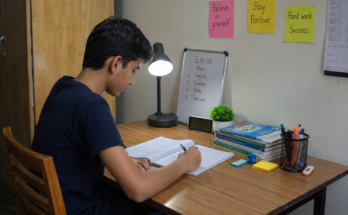
A good learning environment can help children focus better on their studies. Parents should try to provide a quiet and comfortable place where their child can read, write, and complete homework. The study area does not need to be expensive or large. Even a small table in a quiet corner can work well.
Try to keep unnecessary distractions away during study time. Television, loud conversations, and excessive phone use can make it difficult for children to concentrate. A peaceful environment can help children develop better study habits.
Parents should also make sure that children have the basic school supplies they need. Books, notebooks, pens, and access to useful learning resources can make studying easier.
Show Interest in Your Child’s Education
One of the easiest ways parents can support education is by showing genuine interest. Ask your child what they learned at school and what subjects they enjoyed. You can also ask if they had any difficulty understanding a particular topic.
Children feel valued when their parents take an interest in their education. Even a short conversation about school can encourage them to share their experiences.
Parents should avoid making every conversation about grades. Learning is more than getting high marks. Ask about their ideas, interests, projects, friends, and experiences. This can help create a healthy relationship between parents and children.
Help Children Build a Study Routine
A regular study routine can make education easier for children. Parents can help children create a daily schedule that includes schoolwork, homework, rest, hobbies, and family time.
A good routine teaches children how to manage their time. For example, a child may complete homework after returning from school, take a short break, and then spend some time reading or reviewing lessons.
The routine should not be too strict. Children also need time to relax and enjoy activities they like. A balanced schedule can help them stay motivated without feeling too much pressure.
Encourage Reading at Home
Reading is one of the best habits parents can develop in their children. Reading improves vocabulary, writing skills, knowledge, and understanding. It can also help children become better at expressing their thoughts.
Parents can encourage reading by providing books that match their child’s age and interests. These can include storybooks, educational books, magazines, or other suitable reading materials.
Parents can also read themselves. When children see their parents reading, they may become more interested in reading too. Family reading time can be a simple way to make learning enjoyable.
Help With Homework Without Doing It
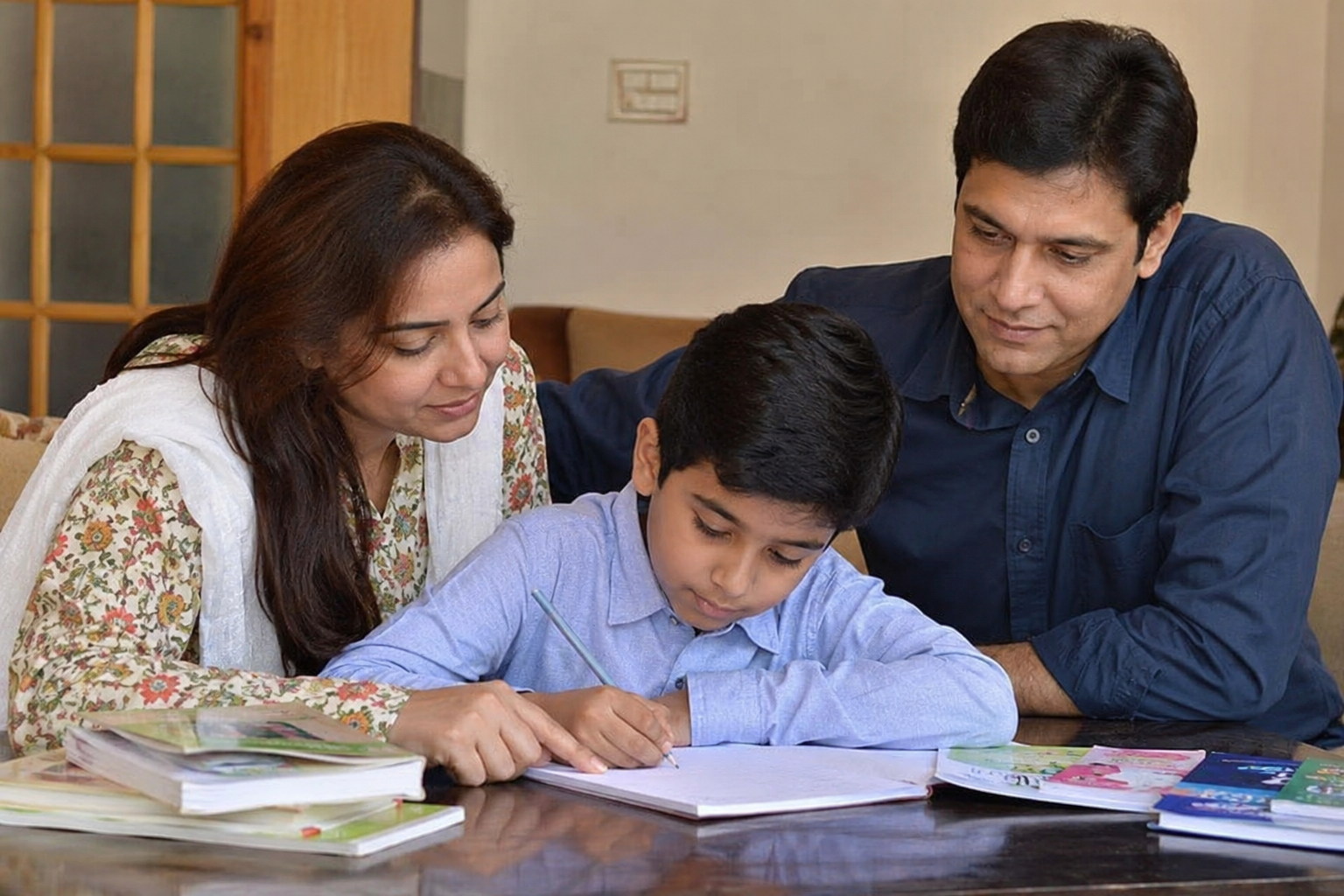
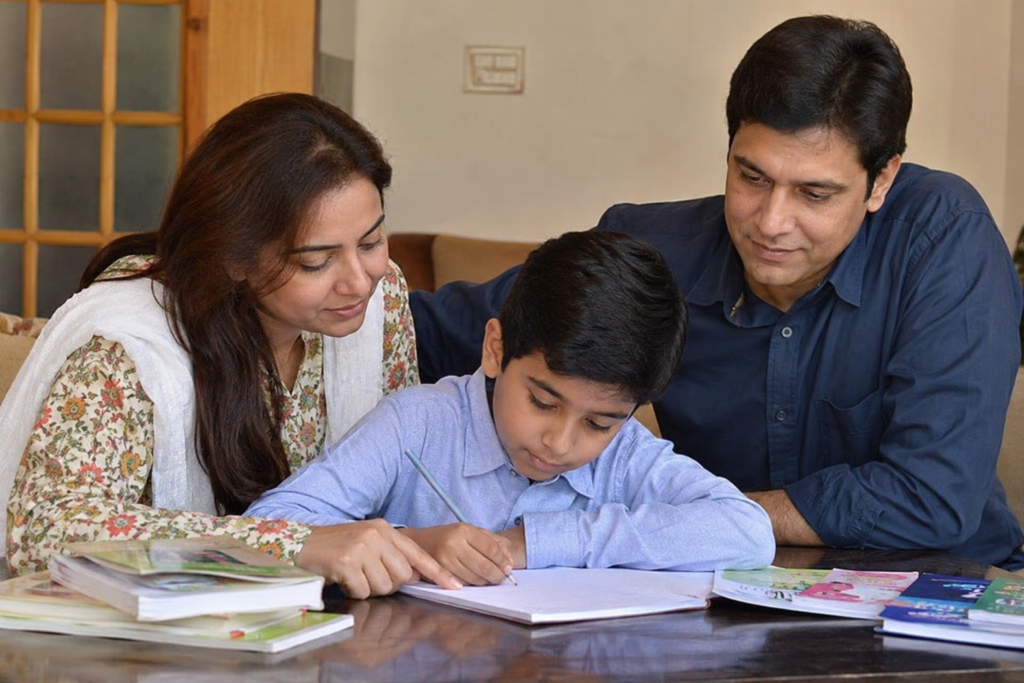
Homework can sometimes be difficult for children. Parents can support their child by explaining instructions, helping them find resources, or discussing difficult questions.
However, parents should avoid doing the homework for their child. When parents complete schoolwork themselves, children lose the opportunity to think and solve problems independently.
Instead, ask questions that help the child find the answer. Give them enough time to think and encourage them to try again when they make mistakes. This approach can improve problem solving skills and confidence.
Communicate With Teachers
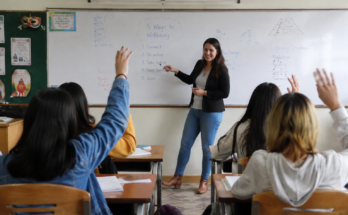
Good communication between parents and teachers can support a child’s education. Parents should stay aware of their child’s progress and communicate with teachers when necessary.
Teachers can provide useful information about a child’s strengths, weaknesses, behavior, and learning needs. Parents can also share information about things that may affect the child’s learning at home.
Parent teacher meetings are a good opportunity to discuss progress. Parents should not wait until there is a serious problem before contacting the teacher. Regular and respectful communication can help everyone work together.
Encourage Questions
Children should feel comfortable asking questions. Sometimes students are afraid to ask questions because they think they may look weak or make a mistake.
Parents can help by reminding children that asking questions is a normal part of learning. If your child does not understand something, encourage them to ask their teacher or discuss it at home.
Instead of saying that a question is easy or obvious, listen carefully and try to understand what is confusing them. This can help children become more comfortable with learning.
Praise Effort Instead of Only Results
Parents naturally want their children to get good grades, but focusing only on results can create unnecessary pressure. It is better to recognize effort, improvement, discipline, and persistence.
For example, if a child studies hard for a difficult test but does not get the expected marks, parents can still appreciate the effort. Encourage them to understand their mistakes and improve next time.
This type of support can teach children that mistakes are part of learning. It can also help them develop a growth mindset and become more willing to try difficult tasks.
Teach Time Management
Time management is an important skill for students. Children often have homework, tests, projects, hobbies, and other responsibilities. Without proper planning, they may feel stressed or leave important work until the last minute.
Parents can teach children how to organize their tasks. A simple daily or weekly planner can help them understand what needs to be completed.
Parents should guide children instead of controlling every minute of their day. The goal is to help them become independent and learn how to manage their own responsibilities.
Limit Unnecessary Screen Time
Technology can be useful for education, but too much screen time can affect concentration and study habits. Parents should create reasonable rules for phones, games, social media, and entertainment.
Instead of completely removing technology, teach children how to use it responsibly. Educational videos, online courses, digital libraries, and learning websites can be useful when used correctly.
Parents should also encourage children to take breaks from screens. Outdoor activities, exercise, hobbies, and family conversations are important parts of a healthy lifestyle.
Teach Children to Take Responsibility
Parents should support their children without doing everything for them. Children need opportunities to take responsibility for their education.
They can prepare their school bags, organize their books, complete assignments, and prepare for tests. Parents can remind them when necessary, but children should gradually learn to manage these responsibilities themselves.
Responsibility helps children become more independent. It also prepares them for future education, work, and everyday life.
Make Learning Fun
Education does not have to happen only through textbooks. Parents can make learning more interesting by connecting lessons with everyday life.
For example, cooking can teach children about measurements and mathematics. Shopping can help them understand money and basic calculations. Visiting museums, libraries, parks, or historical places can make subjects more interesting.
Parents can also use educational games and activities to help children learn. When learning becomes enjoyable, children may develop a stronger interest in education.
Support Your Child’s Interests
Every child has different interests and abilities. Some children enjoy mathematics while others prefer reading, science, art, sports, or technology.
Parents should try to understand what their child enjoys. Supporting their interests can help children build confidence and discover their strengths.
This does not mean parents should ignore subjects that children find difficult. Instead, they can encourage children to improve weak areas while also giving them opportunities to develop their natural talents.
Be Patient With Your Child
Every child learns at a different speed. Some students understand a topic quickly while others need more time and practice. Parents should avoid comparing their child with siblings, classmates, or friends.
Constant comparison can reduce confidence and make children feel that they are not good enough. Instead, compare their current progress with their own past performance.
If a child is struggling, try to understand the reason. They may need more practice, a different explanation, or additional support from a teacher.
Teach the Value of Education
Parents can help children understand why education is important. Education is not only about passing exams or getting good grades. It helps people develop knowledge, communication skills, problem solving abilities, and confidence.
Talk to your child about how learning can help them reach their future goals. If they have a career interest, explain how different subjects and skills can help them prepare for that career.
When children understand the purpose of education, they may become more motivated to learn.
Final Thoughts
Parents have a powerful role in supporting their child’s education. They do not need to be perfect teachers or experts in every subject. What children often need most is encouragement, attention, patience, and a supportive home environment.
Parents can help by creating good study habits, encouraging reading, communicating with teachers, supporting homework, limiting distractions, and praising effort. They can also teach children responsibility and help them understand the value of education.
The most important thing is to make children feel that their parents believe in them. When children know that they have support at home, they are more likely to face academic challenges with confidence.
Supporting a child’s education is a long term process. Small actions every day can make a meaningful difference in a child’s learning, confidence, and future success.